

Key Takeaways
- Raised beds dramatically improve drainage and allow you to build ideal soil from scratch.
- Upfront material and fill costs are significantly higher than in-ground planting.
- Raised beds dry out faster than in-ground soil, requiring more frequent watering.
- Properly built beds can last many years and reduce weed pressure considerably.
- Understanding both pros and cons helps you decide whether raised beds suit your goals and budget.
Superior drainage prevents waterlogged roots
The elevated, loose soil structure allows excess water to drain freely, which is especially valuable in clay-heavy yards where standing water can rot roots and host fungal disease.
Complete control over soil quality
You fill the bed with whatever mix your plants need rather than amending existing native soil, which can save years of effort in yards with poor, compacted, or contaminated ground.
Soil warms faster in spring
Raised beds absorb heat on all sides and typically reach planting temperature 2-4 weeks earlier than in-ground beds, extending your effective growing season in cooler climates.
Significantly reduced weed pressure
A physical barrier and a clean imported soil mix introduce far fewer weed seeds than native ground, making early-season maintenance noticeably lighter once the bed is established.
Easier on the body - less bending required
Beds built at 24 inches or higher allow gardeners to tend plants while seated or standing, making them a practical choice for those with back, knee, or mobility limitations.
Better pest and soil separation
A raised bed creates a clear boundary that makes it easier to install row covers, netting, or copper tape to deter common garden pests such as slugs and rabbits.
High upfront material and fill costs
Lumber, hardware, and quality fill soil can run several hundred dollars for a single 4×8-foot bed, making raised beds a meaningful financial commitment compared with direct in-ground planting.
Dries out faster - demands more frequent watering
Exposed sides and loose soil drain quickly, which means raised beds can require watering every day or two during summer without a drip system in place.
Wood frames eventually rot and need replacing
Even naturally rot-resistant cedar or redwood typically lasts 7-15 years before structural breakdown requires rebuilding - an ongoing maintenance cost to factor into long-term planning.
Soil nutrients deplete faster than in-ground beds
Intensive planting within a contained volume exhausts nutrients quickly; annual compost additions and periodic fertilization are necessary to maintain productivity.
Limited root depth for certain crops
Shallow beds under 12 inches restrict deep-rooted vegetables like carrots, parsnips, or winter squash, requiring taller builds - and more fill - to accommodate them.
Our Verdict
Raised garden beds deliver genuine advantages - particularly for gardeners dealing with poor native soil, drainage problems, or physical limitations that make bending difficult. They reward the upfront investment with better growing conditions and a tidier garden layout. That said, they are not a low-effort solution: moisture management, periodic soil amendment, and material costs all require honest planning before you commit.
Raised beds are best suited for gardeners who want reliable soil control, have poor or compacted native soil, or prefer a structured garden that integrates well with broader home improvement goals.
What Raised Garden Beds Actually Are
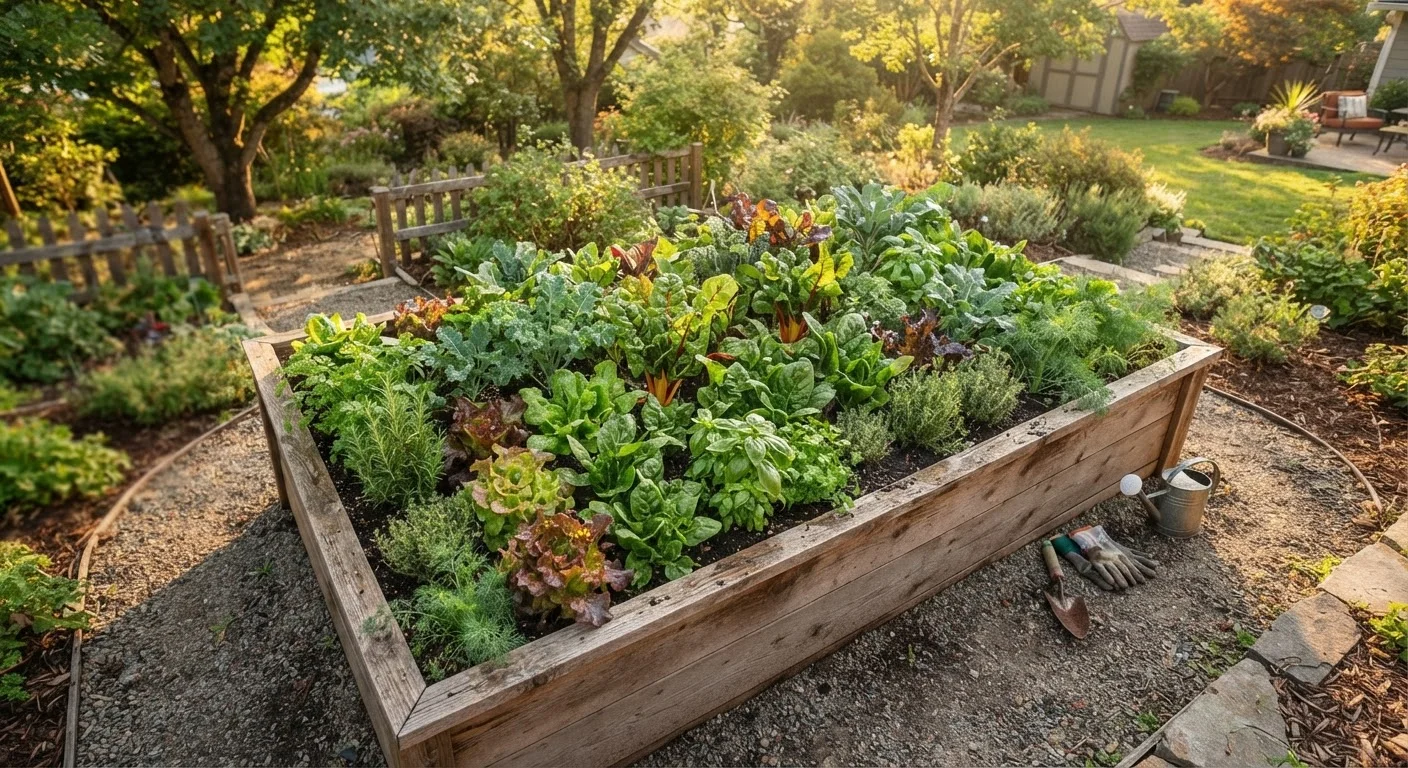
A raised garden bed is a contained growing area built above the existing ground level, typically framed with wood, stone, brick, or composite materials and filled with a custom soil mix. Heights range from a modest 6 inches to 24 inches or more, depending on what you plan to grow and whether accessibility is a priority.
Unlike in-ground planting, raised beds give you complete control over the growing medium from day one - a significant advantage in regions with heavy clay, sandy, or rocky soils. They're a common starting point in year-round lawn and garden care because they simplify seasonal transitions and soil management across spring, summer, and fall.
The Real Advantages of Raised Beds
Raised beds offer measurable, practical benefits that explain their popularity among both beginner and experienced gardeners.
Superior drainage prevents waterlogged roots
The elevated, loose soil structure allows excess water to drain freely, which is especially valuable in clay-heavy yards where standing water can rot roots and host fungal disease.
Complete control over soil quality
You fill the bed with whatever mix your plants need rather than amending existing native soil, which can save years of effort in yards with poor, compacted, or contaminated ground.
Soil warms faster in spring
Raised beds absorb heat on all sides and typically reach planting temperature 2-4 weeks earlier than in-ground beds, extending your effective growing season in cooler climates.
Significantly reduced weed pressure
A physical barrier and a clean imported soil mix introduce far fewer weed seeds than native ground, making early-season maintenance noticeably lighter once the bed is established.
Easier on the body - less bending required
Beds built at 24 inches or higher allow gardeners to tend plants while seated or standing, making them a practical choice for those with back, knee, or mobility limitations.
Better pest and soil separation
A raised bed creates a clear boundary that makes it easier to install row covers, netting, or copper tape to deter common garden pests such as slugs and rabbits.
6-8 weeks
Earlier planting window vs. in-ground beds
University extension research in northern U.S. climates has documented raised beds warming to workable planting temperature several weeks ahead of in-ground soil in spring.
$200-$500+
Typical cost to build and fill one 4×8-foot bed
Material and quality fill soil costs vary by region and material choice; lumber prices, in particular, have fluctuated significantly in recent years.
Beyond drainage and soil quality, raised beds create a physical boundary that limits grass and weed encroachment. Paired with a layer of cardboard or landscape fabric underneath, weed pressure can be reduced substantially in the first growing season. For a deeper look at what goes on top of your beds, see our guide on mulch vs. gravel for garden beds.
The Disadvantages You Should Plan For
The benefits of raised beds come with real drawbacks that are easy to underestimate if you're only looking at glossy garden inspiration photos.
High upfront material and fill costs
Lumber, hardware, and quality fill soil can run several hundred dollars for a single 4×8-foot bed, making raised beds a meaningful financial commitment compared with direct in-ground planting.
Dries out faster - demands more frequent watering
Exposed sides and loose soil drain quickly, which means raised beds can require watering every day or two during summer without a drip system in place.
Wood frames eventually rot and need replacing
Even naturally rot-resistant cedar or redwood typically lasts 7-15 years before structural breakdown requires rebuilding - an ongoing maintenance cost to factor into long-term planning.
Soil nutrients deplete faster than in-ground beds
Intensive planting within a contained volume exhausts nutrients quickly; annual compost additions and periodic fertilization are necessary to maintain productivity.
Limited root depth for certain crops
Shallow beds under 12 inches restrict deep-rooted vegetables like carrots, parsnips, or winter squash, requiring taller builds - and more fill - to accommodate them.
The most common challenge gardeners report is watering frequency. Because raised beds are exposed on all sides and filled with loose, well-draining soil, they lose moisture faster than in-ground plots - especially during summer heat. A drip irrigation setup or soaker hose can help, but it adds to the overall cost and setup time.
If your goal is a lower-effort outdoor space, it's worth comparing raised beds against low-maintenance landscaping approaches before committing to a full build.
Soil, Compost, and Long-Term Maintenance
Getting your soil mix right is arguably the most important decision in a raised bed build. A common starting blend is roughly equal parts topsoil, compost, and an aerating material such as coarse perlite or aged wood chips. This creates a loose, nutrient-rich medium that drains well but retains enough moisture for most vegetables and herbs.
What to Put Under Your Raised Bed
Laying cardboard or several layers of newspaper directly on the ground beneath a new raised bed is a widely recommended technique for suppressing weeds and grass without chemicals. The material breaks down over one to two seasons, adding organic matter to the soil below. Avoid using treated cardboard with heavy inks or plastic coatings. Landscape fabric is another option, though it can restrict earthworm movement and deep root growth over time.
Compost is the engine of a healthy raised bed. Because the contained soil is used intensively season after season, nutrients deplete faster than in a typical garden border. Topping beds with 1-2 inches of finished compost each spring replaces what plants consumed and maintains soil structure. Our guide to composting at home explains how to produce usable compost from kitchen and yard waste - a practical way to reduce ongoing soil amendment costs.
The plant choices you make also affect how much upkeep your bed requires. Understanding perennials versus annuals matters here: perennial edibles like asparagus or herbs occupy a bed long-term, while annuals require replanting each season but give you flexibility to rotate crops.