

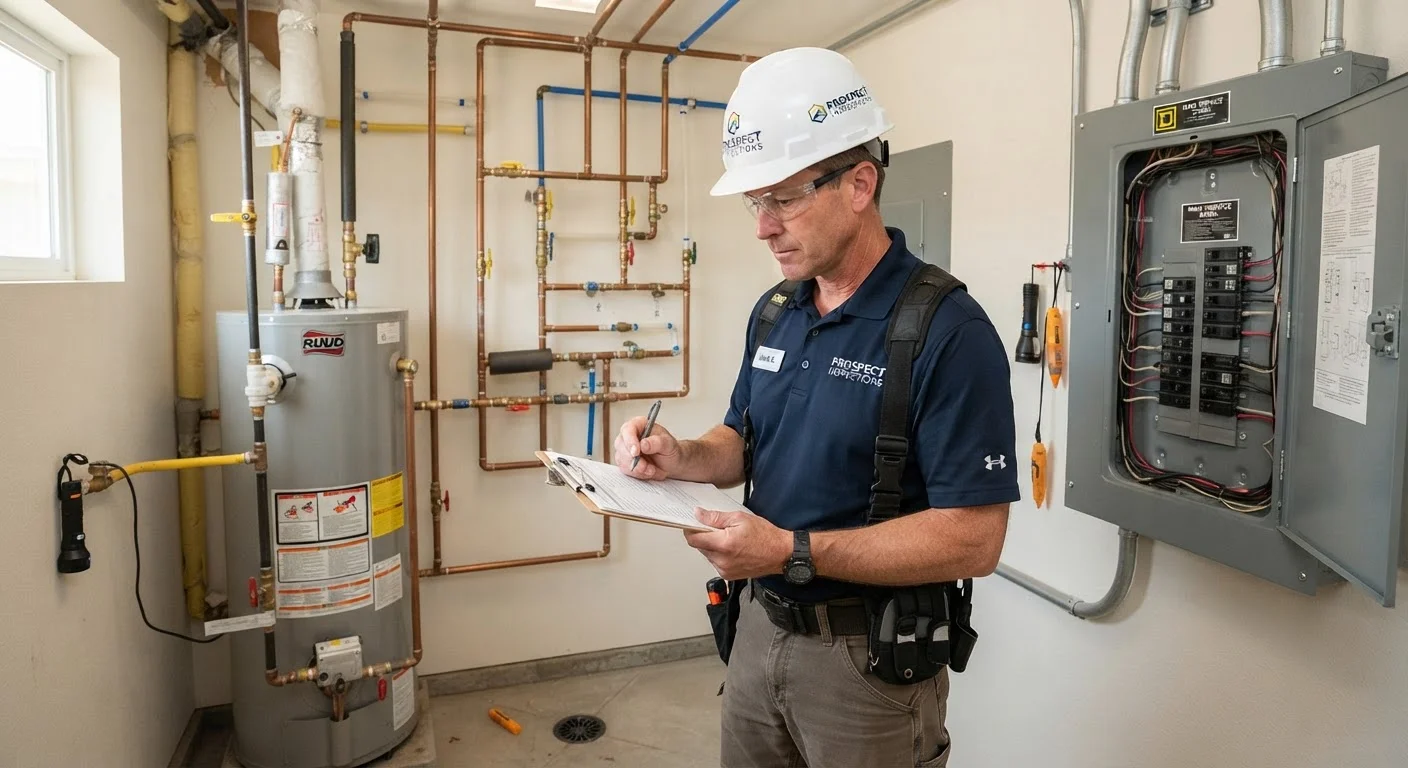
Key Takeaways
- A maintenance inspection covers the roof, foundation, plumbing, electrical, HVAC, and exterior envelope.
- Many professionals recommend a full home inspection annually or every one to two years.
- Catching small issues early almost always costs less than emergency repairs after a failure.
- Some components - like the roof and HVAC - deserve inspection every season, not just once a year.
- Homeowners can perform basic visual checks themselves, but certain systems require licensed professionals.
Home Maintenance Inspection
A home maintenance inspection is a systematic review of a house's major systems and components to identify wear, deterioration, or potential failures before they become serious problems. Unlike a pre-purchase inspection, a maintenance inspection is conducted periodically by the homeowner or a professional to keep the property in sound condition. The goal is early detection - finding small issues while repairs are still straightforward and affordable.
Maintenance inspections differ from code inspections or pre-sale inspections in scope and legal standing; they carry no regulatory authority but serve as a practical management tool for homeowners.
Why Maintenance Inspections Matter
Most homeowners think about inspections only when buying or selling. But treating your home like a vehicle - with scheduled checkups rather than crisis-driven repairs - is one of the most effective ways to protect your investment and avoid expensive surprises.
A maintenance inspection is a deliberate, structured walk-through of a home's systems, both inside and out. Its purpose is to spot deterioration early: a cracked caulk line before water infiltrates, a worn furnace belt before the heating fails in January, or a loose shingle before it becomes a ceiling leak. For a deeper look at every system in a typical American home, see our guide to home maintenance from the ground up.
The inspection is not a guarantee that nothing will go wrong - it's a management practice that shifts the odds in your favor.
The Exterior: Roof, Gutters, and Building Envelope
Inspectors begin outside because the exterior is the home's first line of defense against weather. A thorough exterior review includes:
- Roofing: Missing, curling, or damaged shingles; flashing condition around chimneys, vents, and skylights; signs of moss or algae growth that can trap moisture. Our article on signs your roof needs attention explains what to look for from the ground or attic.
- Gutters and downspouts: Blockages, sagging, improper pitch, and separation from the fascia.
- Foundation and grading: Visible cracks, efflorescence (white mineral deposits indicating moisture movement), and whether the soil slopes away from the house as it should.
- Siding and trim: Cracks, rot, loose panels, and failing caulk around windows and doors.
- Driveways and walkways: Heaving or cracking that could create trip hazards or channel water toward the foundation.
Walk the Perimeter First
Before stepping inside, spend 10-15 minutes doing a slow, deliberate walk around the home's exterior. Look at the roofline, foundation, grading, and any visible wood trim or siding from every angle. Many significant problems - and early warning signs - are visible from the ground and easy to miss when you move straight to interior systems.
Interior Systems: Plumbing, Electrical, and HVAC
Inside, the inspection turns to the mechanical systems that make a home livable. These three areas account for a large share of costly repairs when left unchecked.
Plumbing
Inspectors look for slow drains, signs of active leaks or past water staining, corrosion on supply pipes, water heater age and condition, and proper function of shut-off valves. Checking under sinks and around toilets takes only minutes but catches a significant portion of early-stage plumbing problems.
Electrical
A visual check of the panel for double-tapped breakers, corrosion, or improper wiring is typical. Outlets near water sources are tested for ground-fault circuit interrupter (GFCI) protection. Any work beyond visual inspection should be done by a licensed electrician - electrical systems carry serious safety risks.
HVAC
Heating and cooling equipment is checked for unusual noises, airflow restrictions, and filter condition. Ductwork is inspected for disconnections or obvious leaks. Our primer on HVAC filters, coils, and vents walks through the regular upkeep these systems need between professional tune-ups.
1%
Annual maintenance budget rule of thumb
Many housing advisors suggest setting aside roughly 1% of a home's value each year for maintenance and repairs, though actual costs vary widely by age and condition.
35%
Of home fires attributed to heating equipment
According to the U.S. Fire Administration, heating equipment is one of the leading causes of residential fires, underscoring the importance of regular HVAC and fireplace inspection.
10-15 years
Typical water heater lifespan
Most tank-style water heaters last 10 to 15 years; routine inspection helps homeowners plan for replacement before a failure causes water damage.
Safety Devices, Attic, and Basement
A complete inspection also reaches the spaces most homeowners rarely enter.
Safety devices - smoke alarms, carbon monoxide detectors, and fire extinguishers - are tested for function and checked against replacement timelines. These devices are inexpensive to maintain but critical; our guide on smoke alarms, CO detectors, and fire extinguishers covers testing schedules and placement requirements.
Attic spaces are examined for adequate insulation, signs of moisture or pest intrusion, and proper ventilation - all factors that directly affect energy use and roof longevity.
Basements and crawl spaces are checked for water intrusion, efflorescence, structural cracks, and vapor barrier condition. If you're considering finishing your basement, understanding moisture conditions first is essential - see our article on basement finishing and moisture testing.
Turning Inspection Findings Into Action
A maintenance inspection is only useful if findings are actually addressed. After any inspection, prioritize items by urgency:
- Safety concerns - faulty wiring, gas smells, non-functional detectors - should be addressed immediately and by qualified professionals.
- Active water intrusion - leaks, wet basements, or damaged roofing - should be repaired promptly to prevent mold and structural damage.
- Deferred maintenance - deteriorating caulk, aging equipment, minor cracks - can be scheduled and budgeted over the coming season.
Knowing which jobs suit a confident homeowner and which require professional help is its own skill. Our article on DIY home maintenance vs. hiring a professional provides a practical framework. For those wanting a structured approach to year-round upkeep, our annual home maintenance calendar translates inspection priorities into a month-by-month schedule.