

Key Takeaways
- Plant-based eating is a spectrum - it doesn't require eliminating all animal products.
- Several nutrients need deliberate attention, especially vitamin B12, iron, and omega-3s.
- Gradual changes tend to be more sustainable than an overnight overhaul.
- Whole plant foods can be cost-effective, particularly staples like beans, lentils, and oats.
- A registered dietitian can help tailor a plant-based approach to your individual health needs.
Start here
What Does Plant-Based Eating Actually Mean?
Next
Key Nutrients to Pay Attention To
Then
How to Start Without Overhauling Everything
Watch out for
Common Pitfalls and How to Avoid Them
Before you dive in
When to Talk to a Healthcare Provider
What Does Plant-Based Eating Actually Mean?
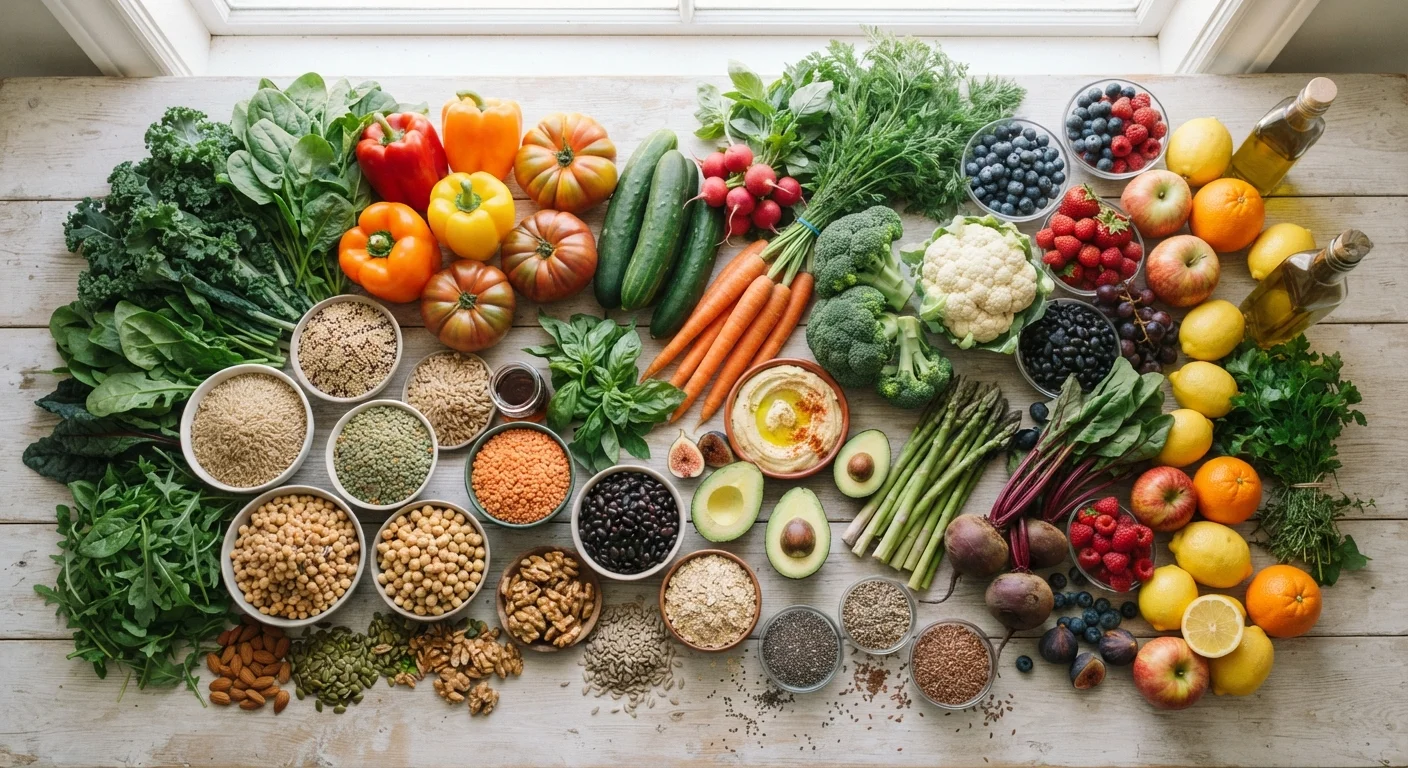
The term plant-based diet gets used loosely, so it helps to understand what it actually covers. At its broadest, it simply means centering meals around foods that come from plants - vegetables, fruits, whole grains, legumes, nuts, and seeds - while reducing or eliminating animal products.
This is a spectrum, not a binary switch. A person who swaps two meat-heavy dinners per week for bean-based meals is shifting toward plant-based eating. So is a strict vegan. Common patterns on this spectrum include:
- Flexitarian: Mostly plant foods with occasional meat or fish
- Pescatarian: Plant foods plus seafood, no land meat
- Vegetarian: No meat or fish, but may include dairy and eggs
- Vegan: No animal products of any kind
Research, including large studies reviewed by institutions such as the Academy of Nutrition and Dietetics, suggests that well-planned plant-predominant diets are associated with reduced risk of certain chronic conditions. However, the quality of individual food choices matters as much as the overall pattern. See what evidence-based dietary guidance recommends for broader context on structuring a balanced plate.
Whole plant foods
Foods that come directly from plants and are minimally processed - such as vegetables, fruits, legumes, whole grains, nuts, and seeds.
Legumes
A family of plants that produce seeds in pods, including beans, lentils, chickpeas, and peas. They are rich in protein, fiber, and various micronutrients.
Bioavailability
The proportion of a nutrient that your body is actually able to absorb and use from the food you eat. Some nutrients in plants are absorbed less efficiently than those in animal foods.
Non-heme iron
The form of iron found in plant foods. It is absorbed less efficiently than heme iron (found in meat), but absorption can be improved by eating it alongside vitamin C.
Vitamin B12
A nutrient essential for nerve function and red blood cell production. It is found almost entirely in animal-derived foods and is a key nutritional consideration for those eating little or no animal products.
ALA, EPA, DHA
Three types of omega-3 fatty acids. ALA is found in plant foods like flaxseed; EPA and DHA are found mainly in fatty fish. The body converts ALA to EPA and DHA only in small amounts.
Key Nutrients to Pay Attention To
Eating more plants doesn't automatically mean eating more nutritiously. Several nutrients are either absent from, or less bioavailable in, plant foods - meaning your body absorbs them less efficiently. Being aware of these gaps is the foundation of a safe transition.
- Vitamin B12: Found almost exclusively in animal products. Anyone significantly reducing animal foods should discuss B12 status and possible supplementation with a healthcare provider.
- Iron: Plants contain non-heme iron, which is absorbed less readily than the heme iron in meat. Pairing iron-rich foods (lentils, spinach, fortified cereals) with vitamin C improves absorption.
- Omega-3 fatty acids: Fatty fish is the most concentrated source. Plant sources like flaxseed, chia, and walnuts provide ALA, but conversion to the forms your body uses most (EPA and DHA) is limited.
- Calcium and vitamin D: Dairy is a common calcium source; without it, fortified plant milks, tofu made with calcium sulfate, and leafy greens become important. Vitamin D is synthesized from sun exposure and found in fortified foods.
- Zinc: Present in legumes and whole grains, though absorption can be lower than from animal sources.
For a fuller breakdown of these and other micronutrients, the vitamins and minerals reference guide is a useful companion. For a direct look at how plant and animal proteins compare, see protein sources side by side.
How to Start Without Overhauling Everything
Dramatic dietary shifts are hard to sustain. Research on behavior change consistently shows that small, incremental steps build lasting habits more reliably than sudden overhauls. Here are practical starting moves:
- Add before you subtract. Rather than focusing on what to cut out, first add more vegetables, beans, or whole grains to meals you already enjoy.
- Try one plant-forward meal per day. Even one reliably plant-based meal - oatmeal with fruit and nuts at breakfast, or a lentil soup at lunch - shifts your intake meaningfully over time.
- Stock a plant-based pantry. Canned beans, lentils, whole-grain pasta, frozen vegetables, canned tomatoes, and oats are affordable, shelf-stable foundations for dozens of meals.
- Rethink familiar dishes. Many meals translate easily: swap ground beef for lentils in tacos or pasta sauce; use chickpeas instead of chicken in a curry.
Build Your Pantry Gradually
You don't need to restock your kitchen all at once. Start by adding two or three plant-based staples - like a bag of lentils, a can of chickpeas, and some rolled oats - to your next shopping trip. Over a few weeks, you'll naturally build a versatile, affordable plant-forward pantry without waste or overwhelm.
Plant-based staples are frequently among the most affordable items in the grocery store. The guide to eating well on a budget offers evidence-backed strategies for keeping costs down without compromising nutrition.
Common Pitfalls and How to Avoid Them
Even well-intentioned beginners can run into patterns that undermine the health benefits of plant-based eating. The most common include:
- Relying too heavily on processed substitutes. Many packaged plant-based burgers, nuggets, and deli slices are high in sodium and saturated fat. They're fine occasionally, but shouldn't displace whole foods.
- Under-eating protein. Without deliberate inclusion of legumes, tofu, tempeh, or other protein-dense plant foods, it's easy to fall short. Aim for a protein-containing food at each meal.
- Eating a narrow range of foods. Variety is especially important in plant-based eating to cover the full spectrum of amino acids and micronutrients. Rotate your grains, vegetables, and legumes regularly.
- Ignoring B12. This is the one nutrient where plant foods simply cannot reliably substitute for animal sources. Don't assume a multivitamin has adequate B12 without checking - and consult a healthcare provider.
When to Talk to a Healthcare Provider
This article provides general nutrition education and is not a substitute for personalized medical or dietary advice. While many people can shift toward more plant-based eating without complications, certain situations call for professional guidance before or during the transition:
- You have a chronic condition such as kidney disease, diabetes, or an eating disorder history
- You are pregnant, breastfeeding, or planning to feed an infant or young child a plant-based diet
- You take medications that interact with dietary changes (e.g., blood thinners and vitamin K from leafy greens)
- You have a history of nutrient deficiencies
A registered dietitian nutritionist (RDN) can assess your current nutrient status, identify gaps, and build an individualized plan. Many insurance plans and community health centers offer dietitian access at low or no cost.
This article is for general informational and educational purposes only. It is not medical or dietary advice. Always consult a qualified healthcare professional before making significant changes to your diet, especially if you have existing health conditions.