

| Number of Essential Vitamins | 13 (NIH Office of Dietary Supplements) |
| Fat-Soluble Vitamins | A, D, E, K (NIH Office of Dietary Supplements) |
| Essential Trace Minerals | 9 (including iron, zinc, iodine, selenium, copper) (Institute of Medicine, Dietary Reference Intakes) |
| Most Common Global Mineral Deficiency | Iron (affects ~2 billion people) (World Health Organization) |
| Vitamin B12 Risk Group | People over 50 and those on plant-based diets (NIH Office of Dietary Supplements) |
| Vitamin D: Primary Natural Source | Skin synthesis from UVB sunlight exposure (NIH Office of Dietary Supplements) |
What Vitamins and Minerals Actually Do
Vitamins and minerals are micronutrients - compounds your body needs in relatively small amounts to carry out essential functions. Unlike macronutrients (carbohydrates, proteins, and fats), they don't provide calories, but they are indispensable for energy metabolism, immune defense, bone maintenance, nerve signaling, and hundreds of other processes.
There are two broad categories of vitamins:
- Fat-soluble vitamins (A, D, E, and K): stored in body fat and the liver; can accumulate to excess if over-supplemented.
- Water-soluble vitamins (the eight B vitamins and vitamin C): not stored in large amounts, so regular dietary intake matters.
Minerals are inorganic elements. Macrominerals - calcium, phosphorus, magnesium, sodium, potassium, chloride, and sulfur - are needed in larger quantities. Trace minerals - iron, zinc, selenium, iodine, copper, manganese, and others - are required in much smaller amounts but are no less critical.
For a practical look at how these nutrients appear on food packaging, see how to read a nutrition label.
Micronutrient
A vitamin or mineral required by the body in small amounts to support normal function. Unlike macronutrients, micronutrients provide no calories but are essential for metabolism, immunity, and overall health.
Fat-Soluble Vitamin
Vitamins (A, D, E, K) that dissolve in fat, are stored in body tissue, and can build up to potentially harmful levels if taken in excess through supplementation.
Water-Soluble Vitamin
Vitamins (C and the B-vitamin family) that dissolve in water and are not stored in the body in significant amounts, making consistent dietary intake important.
Trace Mineral
A mineral the body needs in very small quantities - typically micrograms to a few milligrams per day - such as iron, zinc, selenium, and iodine.
Macromineral
A mineral required in larger amounts (generally more than 100 mg per day), including calcium, magnesium, potassium, sodium, and phosphorus.
Non-Heme Iron
The form of iron found in plant foods and fortified products. It is absorbed less efficiently than heme iron (from animal sources), but absorption can be improved by consuming it alongside vitamin C.
Key Vitamins at a Glance
The table below summarizes the most commonly discussed vitamins, their primary roles, and foods that reliably supply them. Daily needs vary by age, sex, and life stage - the figures below reflect general adult reference values from the National Institutes of Health Office of Dietary Supplements.
| Number of Essential Vitamins | 13 (NIH Office of Dietary Supplements) |
| Fat-Soluble Vitamins | A, D, E, K (NIH Office of Dietary Supplements) |
| Essential Trace Minerals | 9 (including iron, zinc, iodine, selenium, copper) (Institute of Medicine, Dietary Reference Intakes) |
| Most Common Global Mineral Deficiency | Iron (affects ~2 billion people) (World Health Organization) |
| Vitamin B12 Risk Group | People over 50 and those on plant-based diets (NIH Office of Dietary Supplements) |
| Vitamin D: Primary Natural Source | Skin synthesis from UVB sunlight exposure (NIH Office of Dietary Supplements) |
| Vitamin | Main Role(s) | Common Food Sources |
|---|---|---|
| A | Vision, immune function, cell growth | Liver, sweet potato, carrots, dark leafy greens |
| B1 (Thiamine) | Energy metabolism, nerve function | Whole grains, pork, legumes |
| B6 | Protein metabolism, neurotransmitter synthesis | Poultry, fish, potatoes, bananas |
| B9 (Folate) | DNA synthesis, cell division; critical in pregnancy | Lentils, spinach, asparagus, fortified cereals |
| B12 | Nerve health, red blood cell formation | Meat, fish, dairy, eggs, fortified plant milks |
| C | Antioxidant, collagen synthesis, immune support | Citrus, bell peppers, strawberries, broccoli |
| D | Calcium absorption, bone health, immune regulation | Fatty fish, egg yolks, fortified milk, sunlight exposure |
| E | Antioxidant protection, immune support | Nuts, seeds, vegetable oils, spinach |
| K | Blood clotting, bone metabolism | Kale, spinach, broccoli, fermented foods |
Individuals following plant-based diets should pay particular attention to vitamin B12, vitamin D, and iron, as these are most likely to fall short without careful planning. The plant-based eating guide covers these gaps in more detail.
Essential Minerals and Where to Find Them
Minerals support structural roles (bones and teeth), fluid balance, oxygen transport, and enzyme activity. Deficiencies are common - the World Health Organization has identified iron and iodine deficiency among the most widespread nutritional problems globally.
| Mineral | Main Role(s) | Common Food Sources |
|---|---|---|
| Calcium | Bone and tooth structure, muscle contraction, nerve signaling | Dairy, fortified plant milks, tofu, sardines, kale |
| Iron | Oxygen transport in red blood cells | Red meat, beans, lentils, fortified cereals, spinach |
| Magnesium | Muscle and nerve function, blood sugar regulation, protein synthesis | Nuts, seeds, whole grains, dark chocolate, legumes |
| Potassium | Fluid balance, blood pressure, muscle contraction | Bananas, potatoes, beans, yogurt, avocado |
| Zinc | Immune function, wound healing, enzyme activity | Oysters, beef, pumpkin seeds, chickpeas |
| Iodine | Thyroid hormone production, metabolism | Iodized salt, seafood, dairy, seaweed |
| Selenium | Antioxidant defense, thyroid function | Brazil nuts, tuna, eggs, sunflower seeds |
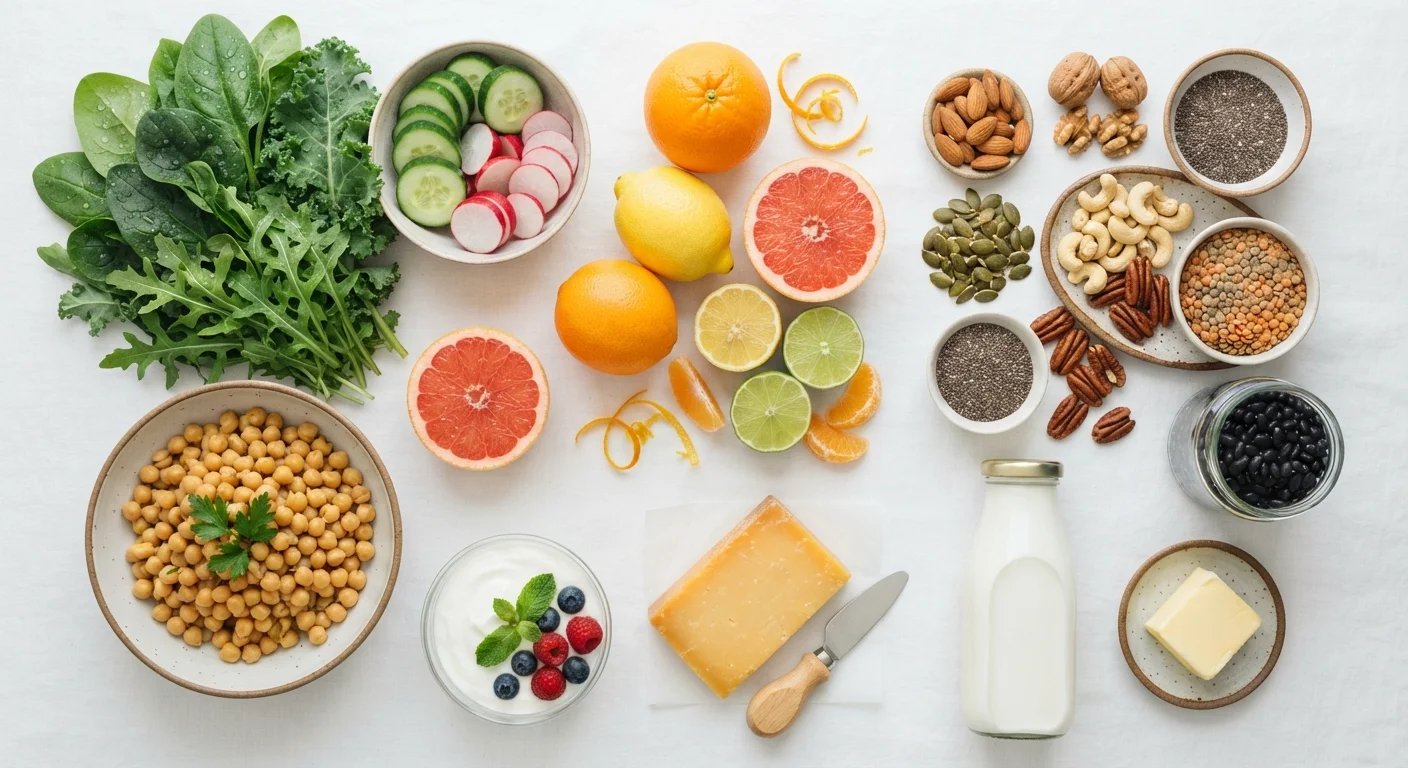
Food preparation matters: boiling vegetables can leach water-soluble minerals and vitamins into cooking water. Steaming or roasting tends to preserve more nutrients. Pairing plant-based iron sources (non-heme iron) with vitamin C-rich foods can meaningfully improve absorption.
Building a varied, colorful plate is one of the most evidence-supported ways to cover your micronutrient bases - see what balanced plate guidance recommends for a practical framework.
On Supplements: Helpful in Some Contexts, Not Universal
Supplements can help address specific documented deficiencies - for example, vitamin B12 for people on vegan diets, or folic acid during pregnancy. However, they are not a reliable substitute for a varied diet, and some supplements can interfere with medications or cause harm at high doses. Always consult a healthcare provider before starting any supplement regimen.
This article provides general nutrition information for educational purposes and is not a substitute for personalized medical or dietary advice. Speak with a registered dietitian or qualified healthcare professional about your specific nutritional needs, especially if you have a health condition, are pregnant, or are considering supplements.