

Key Takeaways
- A secured card requires an upfront cash deposit, which usually equals your credit limit.
- Your deposit is not lost - it is refunded when you close or graduate the account in good standing.
- Payment history reported to credit bureaus is the primary mechanism for building credit.
- Secured cards are most useful for people with no credit history or those recovering from past credit problems.
- Fees and interest rates vary and should be evaluated carefully before applying.
- Many secured cards can graduate to unsecured status after a period of responsible use.
Secured Credit Card
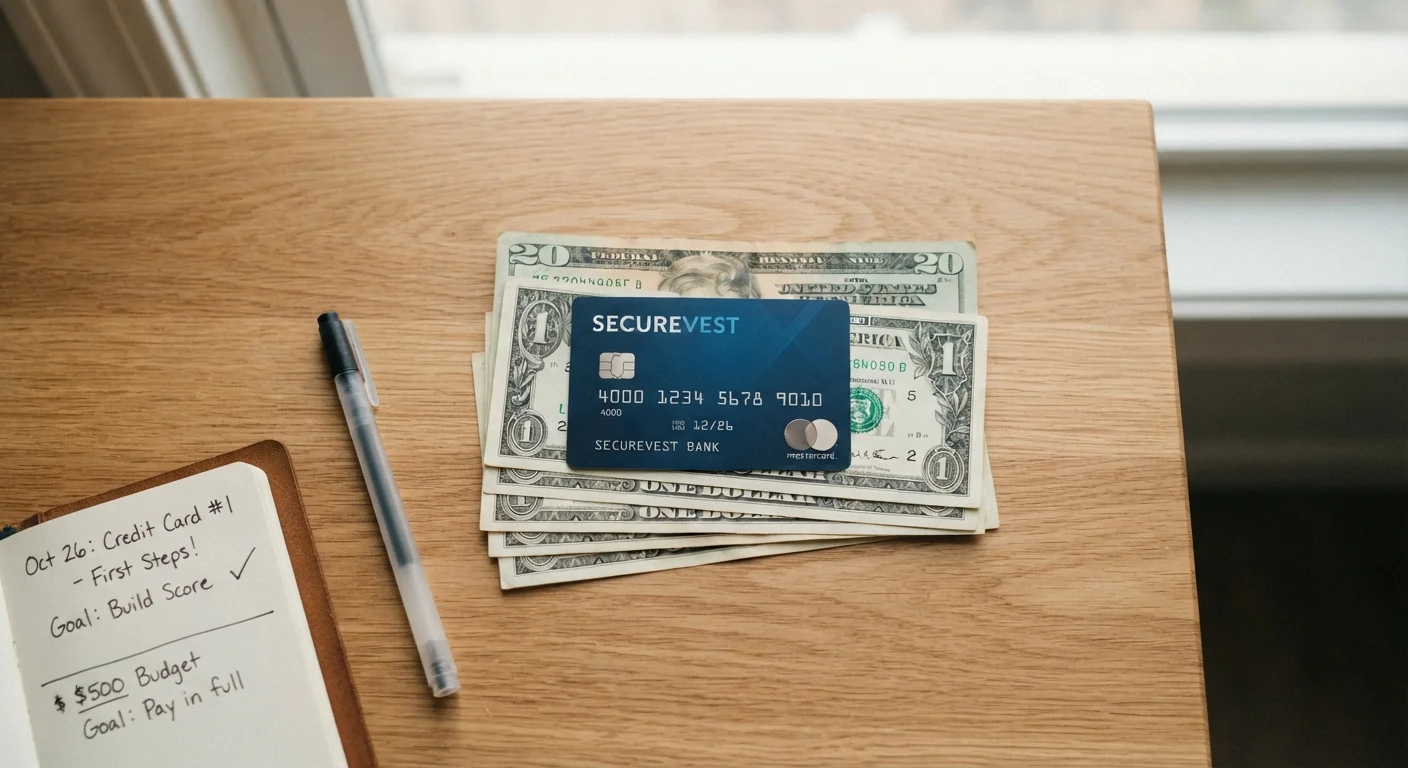
A secured credit card is a type of credit card that requires you to make a cash deposit upfront. That deposit typically becomes your credit limit and acts as collateral for the card issuer. Unlike a debit card, purchases made on a secured card are reported to the major credit bureaus, which means responsible use can help you build or rebuild your credit history over time.
The deposit is held in a separate account by the issuer and is not applied to your monthly balance - you still owe any charges you make and must pay your bill just like a regular credit card.
What Makes a Secured Card Different
The core distinction of a secured credit card comes down to one thing: collateral. When you open a secured card, you submit a cash deposit - commonly ranging from $200 to $500, though amounts vary by issuer - that the card issuer holds in reserve. This deposit reduces the issuer's risk, which is why these cards are available to people who would likely be declined for a standard, unsecured credit card.
That deposit is not spent. It sits in a separate account and is not used to pay your bill. You are still responsible for making monthly payments on any charges you put on the card. If you fail to pay, the issuer may eventually use the deposit to cover the outstanding balance - but that scenario also damages your credit, which defeats the purpose.
One common misconception is that a secured card works like a prepaid card. It does not. A prepaid debit card draws directly from loaded funds and typically does not affect your credit score at all. A secured card is a real line of credit, and your payment activity is reported to the credit bureaus - which is exactly what makes it useful for building credit.
Who Typically Uses a Secured Card
Secured cards serve two distinct groups of people. The first group consists of those who are starting from zero - young adults, recent immigrants, or anyone who simply has never had a credit account in their name. If you have no credit file, lenders have nothing to evaluate, and approval for traditional credit products becomes difficult. A secured card gives you a structured way to begin.
The second group includes people who are rebuilding after financial setbacks - a period of late payments, a bankruptcy, or accounts sent to collections. These events can significantly lower a credit score, making unsecured credit harder to access. A secured card offers a controlled path back.
For both groups, the underlying strategy is the same: use the card for small, manageable purchases, pay the statement balance in full and on time each month, and keep credit utilization low - ideally below 30% of your credit limit. Over time, this consistent behavior generates a positive payment history, which is the single most influential factor in most credit scoring models. To understand what different credit score levels mean in practice, see our breakdown of credit score ranges.
Treat It Like a Bill, Not a Backup
The most effective way to use a secured card is to charge only what you would have spent anyway - a recurring subscription or a regular grocery run - and pay it off in full each month. This approach keeps utilization low, avoids interest charges, and builds a clean payment history without adding financial stress.
Key Features to Evaluate Before Applying
Not all secured cards are structured the same, and some are meaningfully better than others. Before applying, consider the following factors:
- Bureau reporting: Confirm the issuer reports to all three major credit bureaus. A card that reports to only one provides limited benefit.
- Annual fee: Some secured cards charge annual fees that can eat into the value of the product. Fees vary widely, so compare options and weigh what you are getting in return.
- Interest rate (APR): Because a secured card is a credit product, carrying a balance means paying interest. Secured cards often carry higher APRs than standard cards, so paying in full each month avoids this cost entirely.
- Graduation policy: Some issuers will automatically review your account after a set period and upgrade you to an unsecured card, returning your deposit. Others require you to initiate this process. Knowing the issuer's policy upfront matters.
- Deposit flexibility: Some cards allow you to increase your deposit over time to raise your credit limit, which can be useful for managing your utilization ratio.
If you are weighing where to apply - for instance, whether a credit union might offer more favorable terms than a bank - it may help to understand how credit unions and banks differ before you decide.
35%
Weight of payment history in FICO score
According to FICO, payment history is the single largest factor in a FICO credit score, making on-time payments the most important behavior for cardholders.
30%
Recommended maximum credit utilization
Credit scoring experts generally advise keeping your utilization ratio at or below 30% of your available limit to minimize negative scoring impact.
45 million
Americans with no credit score
The Consumer Financial Protection Bureau (CFPB) has estimated that tens of millions of Americans are credit invisible or have unscorable files, representing a core audience for secured credit products.
Using a Secured Card Effectively
A secured card is only as useful as the habits you build around it. Opening the account is step one; what you do afterward determines whether your credit improves. A few practical principles apply regardless of which card you choose.
Pay on time, every time. Payment history makes up a significant portion of credit scores under most major scoring models, and even one missed payment can set back months of progress. Setting up autopay for at least the minimum payment can prevent accidental misses - though paying the full balance is better to avoid interest charges.
Keep your balance low relative to your limit. Credit utilization - how much of your available credit you are using - is another major scoring factor. Using 80% of a $300 limit signals higher risk to lenders than using 20% of the same limit.
Avoid applying for multiple credit accounts simultaneously. Each application typically triggers a hard inquiry on your credit report. To understand how that works, see our plain-language guide to hard vs. soft inquiries.
If you are building credit from the ground up and want a broader roadmap, our guide to building credit from scratch covers additional strategies that complement a secured card well.
This article is for general informational and educational purposes only and does not constitute personalized financial or credit advice. Consult a licensed financial professional for guidance specific to your situation.