

| Number of OBD fault codes | Thousands of standardized codes across makes and models (SAE International OBD-II Standards) |
| Most common amber warning light | Check Engine / Malfunction Indicator Lamp (MIL) |
| Safe tire pressure reference | Door jamb sticker (not tire sidewall) (NHTSA TPMS Consumer Guidelines) |
| Red light rule | Pull over safely; do not continue driving |
| OBD-II required on | All cars sold in the U.S. since 1996 (EPA and CARB mandate) |
Why Warning Lights Exist - and Why You Shouldn't Ignore Them
Modern vehicles are equipped with onboard diagnostic systems (OBD) that continuously monitor dozens of mechanical and electronic functions. When something falls outside acceptable parameters, the system triggers a warning light on your instrument cluster. These lights aren't suggestions - they're your car flagging a condition that needs your attention.
Ignoring warning lights is one of the most common ownership decisions that accelerates wear and tear. What starts as a minor sensor alert can quietly escalate into a major repair when left unaddressed. Understanding what each symbol means is the first step toward protecting both your vehicle and your wallet.
| Number of OBD fault codes | Thousands of standardized codes across makes and models (SAE International OBD-II Standards) |
| Most common amber warning light | Check Engine / Malfunction Indicator Lamp (MIL) |
| Safe tire pressure reference | Door jamb sticker (not tire sidewall) (NHTSA TPMS Consumer Guidelines) |
| Red light rule | Pull over safely; do not continue driving |
| OBD-II required on | All cars sold in the U.S. since 1996 (EPA and CARB mandate) |
The Most Common Dashboard Warning Lights Decoded
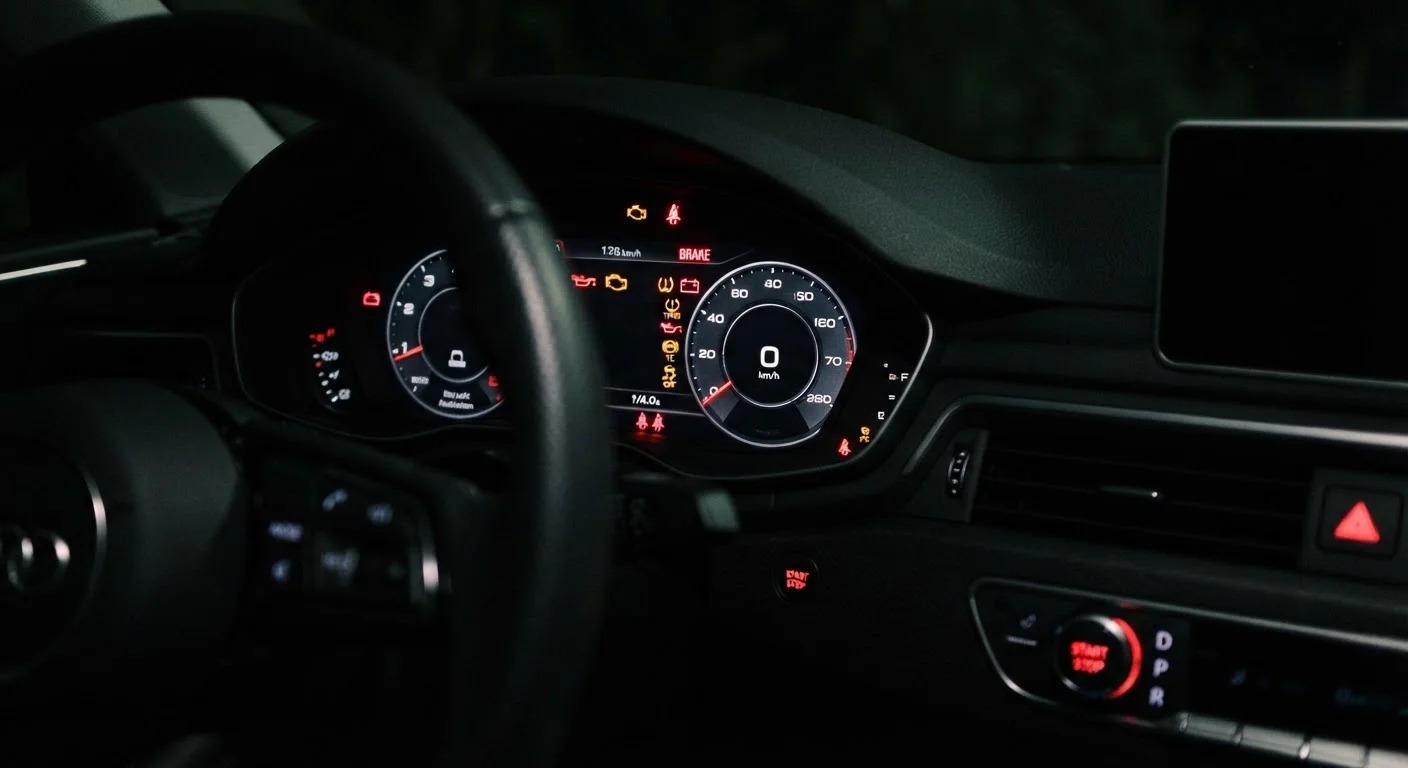
Warning lights are generally grouped by urgency: red signals require immediate action, amber/yellow signals indicate a developing issue that should be addressed soon, and green or blue lights are informational.
OBD-II
On-Board Diagnostics II - a standardized system built into all U.S. vehicles since 1996 that monitors engine, transmission, and emissions systems and stores fault codes a mechanic can read with a scan tool.
MIL (Check Engine Light)
The Malfunction Indicator Lamp signals an engine or emissions fault detected by the OBD system. It can represent anything from a loose gas cap to a failing catalytic converter.
TPMS
Tire Pressure Monitoring System - a sensor-based system that warns the driver when any tire's pressure drops significantly below the recommended level, helping prevent blowouts and poor fuel efficiency.
ABS
Anti-lock Braking System - an electronic safety system that prevents wheel lockup during hard braking, helping the driver maintain steering control. An ABS warning light means this assist may be inactive.
Coolant Temperature Warning
A red indicator that the engine's coolant has reached a dangerously high temperature. Continued driving risks warping cylinder heads or causing catastrophic engine failure.
Red Lights - Stop and Act
- Oil Pressure Warning: Engine oil pressure has dropped dangerously low. Pull over safely and turn off the engine. Driving further can cause severe engine damage within minutes.
- Engine Temperature: The coolant temperature is too high. Stop driving as soon as safely possible to prevent engine overheating.
- Battery / Charging System: The electrical charging system has failed. The car is running on battery reserve only - you may have limited time before the vehicle stalls.
- Brake System Warning: This can indicate low brake fluid, a failure in the brake circuit, or that the parking brake is still engaged. Check the parking brake first; if it's off, have the brakes inspected immediately. See our guide to early brake warning signs for more detail.
Amber Lights - Address Soon
- Check Engine (MIL): The Malfunction Indicator Lamp covers a wide range of engine and emissions issues. A steady light means schedule service soon; a flashing light indicates a serious misfire - reduce speed and seek service promptly.
- TPMS (Tire Pressure Monitoring System): One or more tires are significantly under- or over-inflated. Check pressures with a gauge and inflate to the spec listed in your door jamb sticker, not the tire sidewall.
- Transmission Temperature: The transmission fluid is overheating, often from towing heavy loads or stop-and-go driving. Reduce load and allow the vehicle to cool.
- ABS Warning: The Anti-lock Braking System has a fault. Normal braking still works, but the ABS assist that prevents wheel lock-up during hard stops may be inactive.
What to Do When a Light Comes On
Your immediate response should match the light's color. For any red warning, treat it as urgent: safely pull off the road if the vehicle is in motion, consult your owner's manual, and contact a qualified mechanic. Do not continue driving hoping the light will go away.
For amber warnings, reduce unnecessary demands on the vehicle - avoid towing, high-speed highway driving, or long trips - and schedule a diagnostic inspection within a day or two. A mechanic can retrieve the specific fault code stored in the OBD system, which narrows the diagnosis far more precisely than the dashboard symbol alone.
Before any journey, a quick pre-trip safety check helps you catch warning lights or developing issues before they become roadside emergencies. And remember: modern vehicles also have driver-assistance alerts that are separate from mechanical warnings - understanding the difference matters. Learn more about how driving assistance technology works and its limitations.
Never assume a warning light is a glitch without verification. While sensors can occasionally malfunction, that determination should come from a professional diagnostic scan - not from wishful thinking.