

Key Takeaways
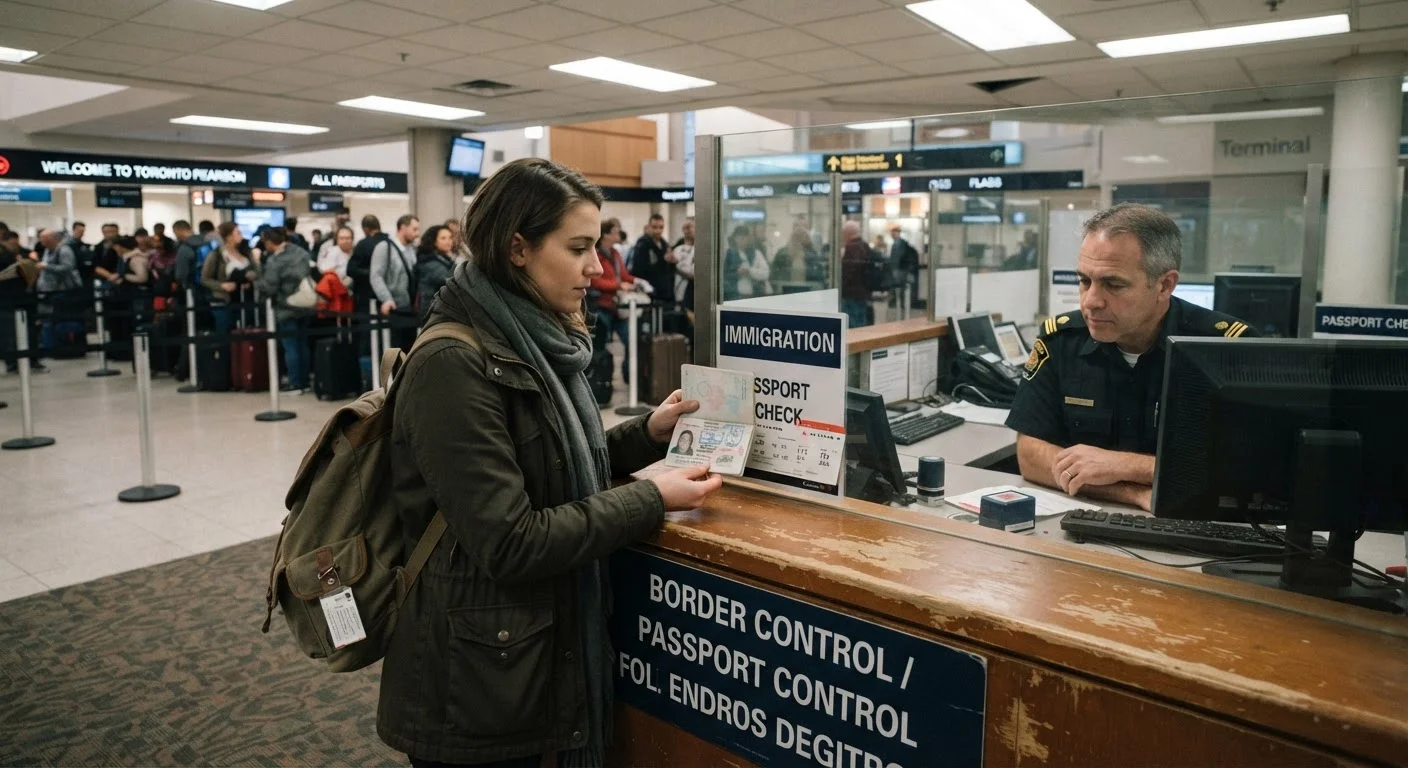
- Visa-free access does not guarantee entry - border officers retain final authority.
- A passport valid for six months is often required, even if your trip is shorter.
- Layovers in certain countries may require a transit visa, even without leaving the airport.
- Electronic travel authorizations are distinct from visas and must be obtained separately.
- Dual citizens must verify which passport to use - using the wrong one can cause legal complications.
Why Passport and Visa Myths Are So Persistent
Travel document rules change more often than most people realize - and they vary significantly by nationality, destination, and even the specific airport you transit through. Outdated advice from friends, travel forums, and older blog posts spreads quickly, giving misconceptions a long shelf life. The result is that well-meaning travelers walk into situations they could have avoided with a single official source check.
This article focuses on the myths most likely to cause real problems: denied boarding, refused entry, or unexpected last-minute visa costs. If you're beginning to map out an international trip, our first-timer's international travel guide covers the broader planning framework. For now, let's address the misconceptions head-on.
Myth
If a country is visa-free for U.S. citizens, I'm guaranteed entry when I arrive.
Fact
Visa-free means you don't need advance permission to enter - it does not override a border officer's authority to deny entry.
Border officers in every country have the legal right to refuse admission at their discretion, regardless of visa agreements. They may ask about your finances, accommodation plans, onward travel, or employment status. Travelers have been turned away for insufficient funds, vague itineraries, or prior overstays in other countries. Always carry printed hotel reservations, a return ticket, and evidence of sufficient funds, even when no visa is required. The visa-free agreement removes the consulate step - it does not remove border scrutiny.
Myth
My passport just needs to be valid through my travel dates - nothing more.
Fact
Most countries require at least six months of passport validity beyond your planned departure date.
The six-month validity rule is one of the most commonly missed requirements. Many nations - including popular destinations throughout Southeast Asia, the Middle East, and Africa - will deny boarding or entry if your passport expires within six months of the date you plan to leave their country. Some countries require only three months of remaining validity, but a few require more. Check the specific entry requirements for every country on your itinerary, not just the final destination. If your passport is close to expiring, renew it well in advance of your trip. See our guide to international trip planning for a full pre-travel document checklist.
Myth
I have a layover and I'm not leaving the airport, so I don't need a transit visa.
Fact
Some countries require a transit visa even for airside layovers where passengers never pass through immigration.
Transit visa requirements vary significantly by nationality and by airport. The United Kingdom, for example, requires a Direct Airside Transit Visa for nationals of certain countries - even if they remain in the secured international zone. Canada requires an Electronic Travel Authorization (eTA) for visa-exempt foreign nationals transiting through Canadian airports. Always look up transit requirements specific to your passport's issuing country for every airport on your route. Your airline may catch a missing transit visa at check-in, but the safest approach is to verify requirements through official government immigration portals before you book connecting flights.
Myth
An Electronic Travel Authorization (eTA) and a visa are the same thing.
Fact
An eTA is a separate, lightweight entry requirement - not a visa - but it is still mandatory for eligible travelers.
Countries such as Canada, Australia (ETA), and New Zealand (NZeTA) have introduced electronic travel authorizations as streamlined alternatives to full visas for certain nationalities. They are applied for online, cost a small fee, and are typically approved within minutes to days. However, they are not automatically issued - you must apply before travel. Failing to obtain one can result in being denied boarding. An eTA is linked digitally to your passport, so there is no stamp or sticker, but it is no less mandatory than a traditional visa stamp.
Myth
As a dual citizen, I can use whichever passport is most convenient at each border.
Fact
Dual citizens typically must enter and exit certain countries using a specific passport, and mixing them can create serious complications.
Many countries - including the United States - require their citizens to use that country's passport when entering or leaving national territory. If you are a U.S.-born dual citizen, you are generally required to enter and exit the U.S. on your American passport. Using your second country's passport to enter a nation that considers you one of its own citizens can expose you to local laws, military service obligations, or taxation that would not apply if you had entered as a foreign national. Consult the official guidance of both governments before travel to understand which passport applies in which situation.
Myth
Children don't need their own passport - they can travel on a parent's document.
Fact
Every traveler, including infants, requires an individual passport for international travel.
The practice of adding children to a parent's passport was phased out in the United States decades ago, and most countries globally now enforce the same rule. Each child needs their own valid passport, regardless of age. Additionally, when a minor travels internationally with only one parent - or with neither parent - many countries require a notarized consent letter from the absent parent(s) to prevent international child abduction. Requirements vary by destination, so check official immigration guidance for every country your child will enter. Explore more practical travel tips to prepare your full family travel document plan.
How to Verify the Real Rules Before You Travel
Always Verify With Official Government Sources
No travel blog, forum post, or friend's experience can substitute for official government guidance on visa and entry requirements. Rules change with little notice due to diplomatic shifts, public health situations, or policy updates. Check the destination country's official immigration portal and your own government's foreign travel advisory pages within 30 days of travel - and again before you depart.
The only authoritative sources for entry requirements are official government immigration or foreign affairs portals - for the U.S., that means the State Department's travel website and the embassy or consulate of each destination country. Third-party travel sites can provide useful summaries, but always cross-check against official sources, especially for visa fees, processing times, and health-related entry requirements, which change frequently.
Build document verification into your trip planning at least three months before departure. That window gives you time to renew a passport, apply for a visa, or obtain an eTA without paying rush fees. Destination-specific myths about what's required on the ground - not just at the border - are equally worth investigating. For instance, common misconceptions about Paris and what first-time visitors to Japan get wrong show how misunderstandings extend well beyond the immigration counter.
This article provides general travel information only. Entry requirements, visa rules, and travel authorizations change frequently and vary by nationality. Always verify current requirements through official government sources and the embassy or consulate of your destination country before making travel arrangements.