

Key Takeaways
- Deferred maintenance rarely stays cheap - small issues compound into major system failures over time.
- Neglected upkeep can reduce a home's appraised value and complicate future sales or refinancing.
- Proactive maintenance typically costs a fraction of what emergency or remediation repairs demand.
- Homeowners often underestimate deferred maintenance by treating it as a budget flexibility lever.
- Prioritizing structural, moisture, and safety systems prevents the most expensive failure cascades.
The Real Math Behind Deferred Maintenance
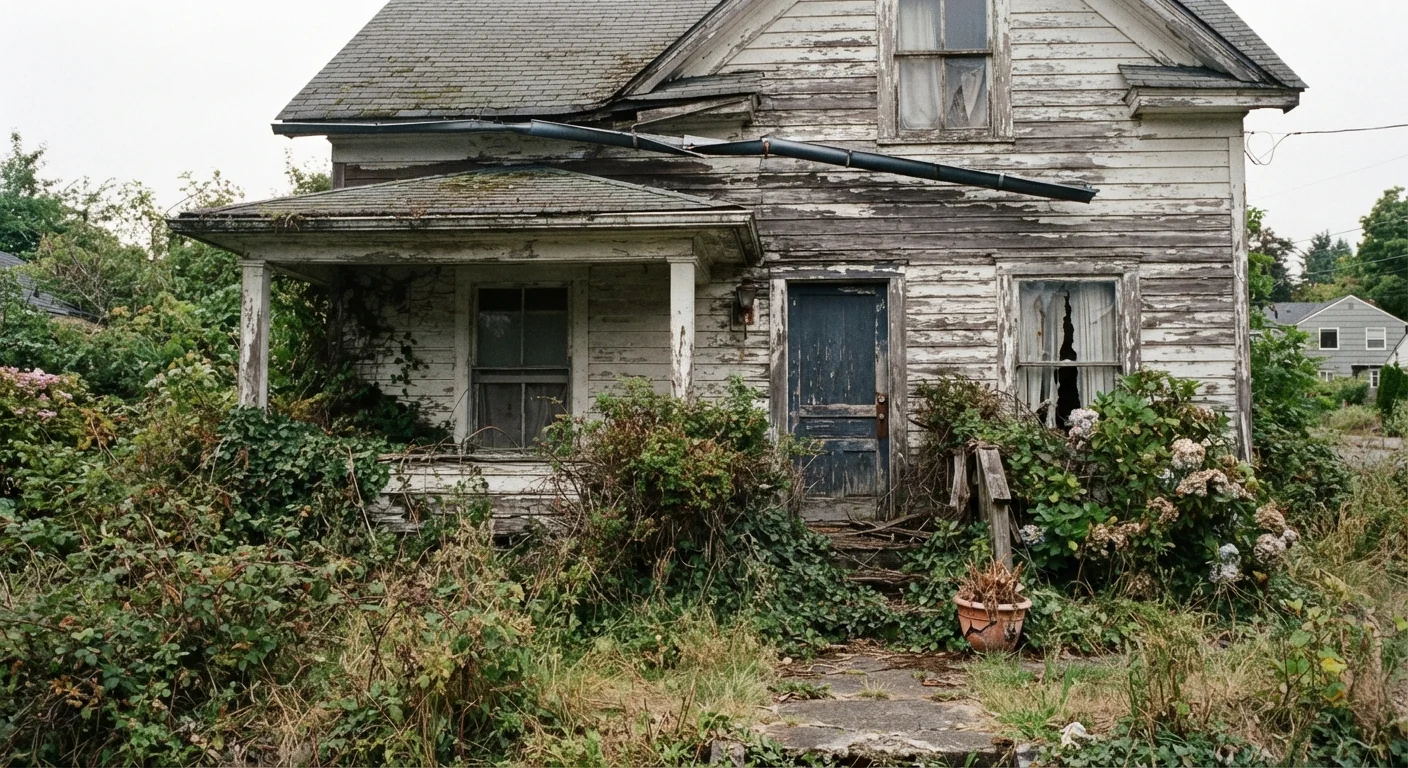
Most homeowners understand that maintenance matters - but underestimate how sharply costs accelerate when upkeep is postponed. A minor roof repair might run a few hundred dollars. Left unaddressed for two seasons, the resulting water intrusion can require replacing insulation, drywall, and potentially addressing mold - a bill that easily reaches five figures.
This compounding dynamic is the central financial reality of homeownership. As explored in our guide to the full cost of owning a home, the mortgage payment is only one of many ongoing obligations. Deferred maintenance doesn't eliminate costs - it defers and inflates them, often at the worst possible moment.
The math tends to favor consistent, proactive spending. Housing professionals commonly recommend budgeting 1%-3% of a home's current value annually for maintenance. On a $350,000 home, that's $3,500-$10,500 per year - which sounds significant until compared with the cost of a single emergency foundation repair or full HVAC replacement.
1%-3%
Annual maintenance cost as share of home value
A widely cited rule of thumb among housing professionals suggests budgeting between 1% and 3% of a home's value annually for maintenance and upkeep.
10x
Cost multiplier for ignored minor repairs
Industry estimates commonly suggest that a deferred minor repair can cost roughly ten times more to fix once it has cascaded into a larger system failure.
Common Mistakes That Let Small Problems Grow
Deferred maintenance rarely happens from carelessness alone. It happens because repairs feel optional when budgets are stretched, because problems develop slowly out of sight, and because owners mistake cosmetic fixes for real solutions. Each of the patterns below represents a decision that seems reasonable in the short term but carries substantial long-term risk.
Treating maintenance as optional spending that can be indefinitely postponed.
Why it happens: When budgets are tight, repairs that aren't visibly urgent feel like discretionary costs. Homeowners often rationalize delays by telling themselves the issue "isn't that bad yet."
Ignoring roof and gutter issues until interior damage appears.
Why it happens: Roofs and gutters are out of sight, so deterioration goes unnoticed until water stains appear on ceilings or walls - by which point secondary damage has already occurred.
Delaying HVAC servicing until the system fails entirely.
Why it happens: Heating and cooling systems often decline gradually, masking inefficiency and wear until a complete breakdown forces emergency replacement - frequently in peak season when service demand is highest.
Patching cosmetic symptoms while leaving the underlying cause unresolved.
Why it happens: Painting over a water stain or caulking a crack without investigating the source is faster and cheaper in the short term - and easy to rationalize as "taking care of it."
Overlooking exterior caulking, seals, and weatherstripping.
Why it happens: These materials are inexpensive and easy to overlook during casual walkthroughs, but failed seals around windows, doors, and penetrations are a primary pathway for water intrusion and energy loss.
For a structured approach to staying ahead of these issues, our annual home maintenance task guide offers a season-by-season breakdown of what to inspect and address throughout the year.
How Neglect Affects Home Value and Marketability
Deferred maintenance doesn't just raise your repair bills - it quietly erodes the asset you've built. When it's time to sell or refinance, a home's condition is a direct input into its appraised value. Appraisers note deferred maintenance, and inspectors document it in reports that buyers and lenders both review carefully.
Deferred Maintenance Affects More Than Comfort
When a home inspection or appraisal uncovers significant deferred maintenance, it can delay or derail a sale, trigger lender requirements for repairs before closing, or result in a lower appraised value. Buyers frequently use documented neglect to negotiate price reductions that far exceed the original repair cost. Staying current on maintenance protects both your equity and your future options as an owner.
Homes with significant visible neglect also tend to sit on the market longer and attract lower offers, even in strong markets. Buyers price in not just the visible repairs but the uncertainty about what else may have been deferred. Understanding which improvements actually protect resale value - versus those that don't - is also worth examining. Our article on home improvement projects and resale value provides a grounded perspective.
Proactive owners who document maintenance history, keep records of system ages and service, and address issues promptly are better positioned at every major financial milestone - sale, refinance, or insurance renewal. Treating your home as a long-term asset, as discussed in our guide on managing a home as a long-term asset, means recognizing that maintenance is not a cost to minimize but an investment in what you already own.
Moisture Damage Escalates Quickly
Water intrusion - from a failed roof, cracked caulk, or leaking pipe - can progress from a minor fix to mold remediation, structural rot, or foundation damage within months. These remediation projects routinely cost tens of thousands of dollars and are often not fully covered by standard homeowner's insurance policies. Address any signs of water intrusion as a top priority, not a someday task.