

Key Takeaways
- A standard inspection covers major visible systems: roof, foundation, electrical, plumbing, HVAC, and more.
- Inspectors report on current observable conditions - they do not predict future failures or guarantee hidden defects.
- Several common concerns (mold, radon, sewer lines, pools) fall outside the standard scope and need separate specialists.
- Waiving an inspection contingency means accepting the property without documented knowledge of its condition.
- The inspection report is a negotiating tool, not just a disclosure document.
Home Inspection
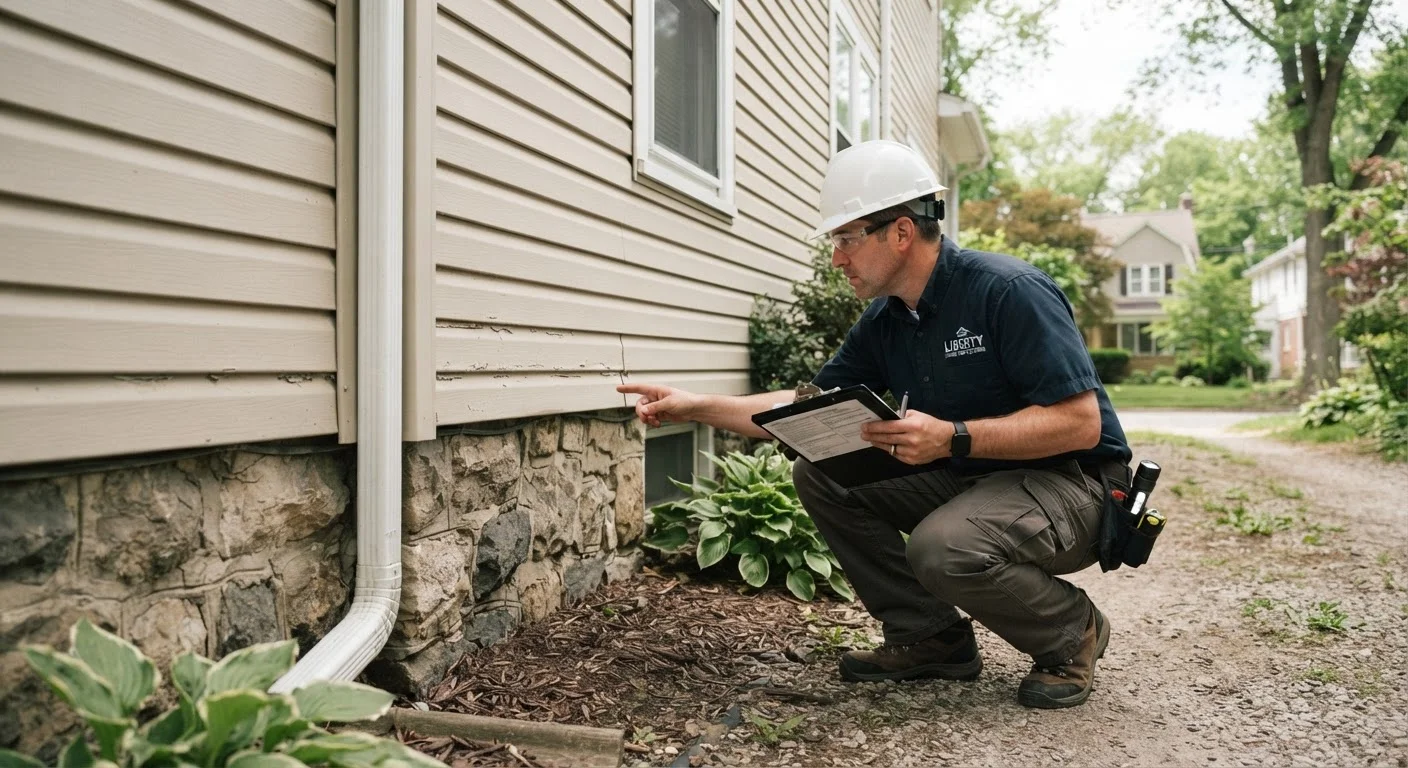
A home inspection is a professional visual examination of a property's major systems and components, conducted by a licensed inspector before a sale closes. The inspector documents the current condition of observable elements - from the roof to the foundation - and delivers a written report to the buyer. It is not a pass/fail test, but a detailed snapshot of what needs attention.
Inspectors typically follow Standards of Practice set by professional bodies such as the American Society of Home Inspectors (ASHI) or InterNACHI, which define the minimum scope of a general inspection.
What a Standard Home Inspection Covers
A licensed home inspector conducts a systematic visual review of a property's major systems and components. The goal is to identify defects, safety hazards, and deferred maintenance that are observable at the time of the inspection. Here is what a standard inspection typically includes:
- Roof: Condition of shingles, flashing, gutters, downspouts, and visible decking. Inspectors look for missing or damaged materials, improper installation, and drainage problems.
- Foundation and structure: Visible cracks, settling, moisture intrusion, and the integrity of load-bearing walls and structural framing.
- Electrical system: Panel condition, wiring type, grounding, circuit breakers, and visible outlets. Inspectors flag outdated wiring (such as aluminum or knob-and-tube) and overloaded panels.
- Plumbing: Water pressure, visible pipe condition, supply and drain lines, water heater age and function, and signs of leaks or corrosion.
- HVAC systems: Heating and cooling equipment operation, age, filter condition, ductwork, and visible flue connections.
- Insulation and ventilation: Attic insulation depth and ventilation adequacy, which affect energy efficiency and moisture control.
- Windows and doors: Operation, sealing, glazing condition, and signs of water damage around frames.
- Exterior: Siding, grading (whether the ground slopes away from the house), walkways, and visible drainage issues.
The report documents findings with descriptions and often photographs, giving buyers a written record of the property's condition. For a refresher on terminology you'll encounter throughout this process, see our plain-language homebuyer glossary.
Attend Your Inspection in Person
Buyers who accompany their inspector gain far more than a written report. A good inspector will explain findings on-site, point out deferred maintenance to watch, and help you distinguish a minor cosmetic issue from a genuine structural concern. Most inspectors welcome buyers and their questions.
What a Home Inspector Does Not Cover
Understanding the limits of a general inspection is just as important as knowing what it includes. Several significant concerns fall outside the standard scope - not because inspectors are cutting corners, but because these areas require specialized equipment, training, or licensing.
~86%
Homebuyers who get a home inspection
According to the National Association of Realtors, the vast majority of buyers who have an inspection contingency exercise it - making it one of the most commonly used buyer protections.
$300-$500+
Typical cost of a general home inspection
Inspection fees vary by region, property size, and inspector experience; larger or older homes typically fall at the higher end of the range.
1 in 5
Homes with elevated radon levels
The U.S. EPA estimates roughly one in five homes has radon levels at or above the action threshold - a risk invisible to a general inspection.
- Mold and air quality: Inspectors may note visible moisture or staining that suggests mold risk, but testing for mold species and concentration requires a separate environmental assessment.
- Radon: This odorless radioactive gas is a leading cause of lung cancer and cannot be detected visually. Radon testing requires a dedicated kit or certified tester.
- Sewer and septic systems: A general inspection does not include a camera scope of drain lines. Tree root intrusion, collapsed pipes, and failing septic tanks require a separate sewer inspection - often a worthwhile add-on for homes over 20 years old.
- Swimming pools and spas: Most general inspectors do not evaluate pool equipment, plumbing, or structural condition without a pool-specific specialist.
- Pest and termite damage: Wood-destroying organism (WDO) inspections are separate and may be required by lenders in certain states, but they are not part of a standard general inspection.
- Asbestos and lead paint: Common in homes built before 1980, these hazardous materials require certified testing and remediation professionals - not a general inspector.
- Chimneys and fireplaces: Interior chimney flue condition, especially for active fireplaces, requires a chimney specialist with a video scope.
These gaps are why buyers often order multiple specialist inspections alongside the general one. For a broader look at what professionals examine during ongoing maintenance checks, see what a home maintenance inspection covers.
Why the Inspection Contingency Matters
An inspection contingency is a clause in a purchase contract that gives buyers the right to have the property inspected within a set window - typically 7 to 14 days - and to negotiate, request repairs, or exit the deal based on findings. It is a standard buyer protection in most transactions.
In competitive markets, buyers are sometimes pressured to waive the inspection contingency to make their offer more attractive to sellers. This is a significant financial risk. Without an inspection, buyers accept the property without documented knowledge of its current condition - including any costly defects that may have been discoverable.
Even when waiving the contingency, some buyers still schedule a pre-offer inspection (if the seller permits access) to gain information without making the sale contingent on it. This approach preserves some protection but removes the formal negotiating lever.
The inspection report is also a negotiating tool. Buyers can request that sellers repair specific defects, reduce the purchase price, or provide a credit at closing. Not every finding warrants a negotiation - minor items are expected in most homes - but major systems failures or safety hazards often justify either remediation or a price adjustment.
Understanding your full financial picture before making these decisions is essential. Our financial readiness checklist can help you assess how much cushion you have for post-purchase repairs. After closing, your homeowners insurance policy will cover certain sudden losses, but not pre-existing defects - see how to read your homeowners insurance policy to understand what is and isn't protected.
This article is for informational purposes only and does not constitute legal, financial, or real estate advice. Consult a licensed real estate professional for guidance specific to your transaction.