

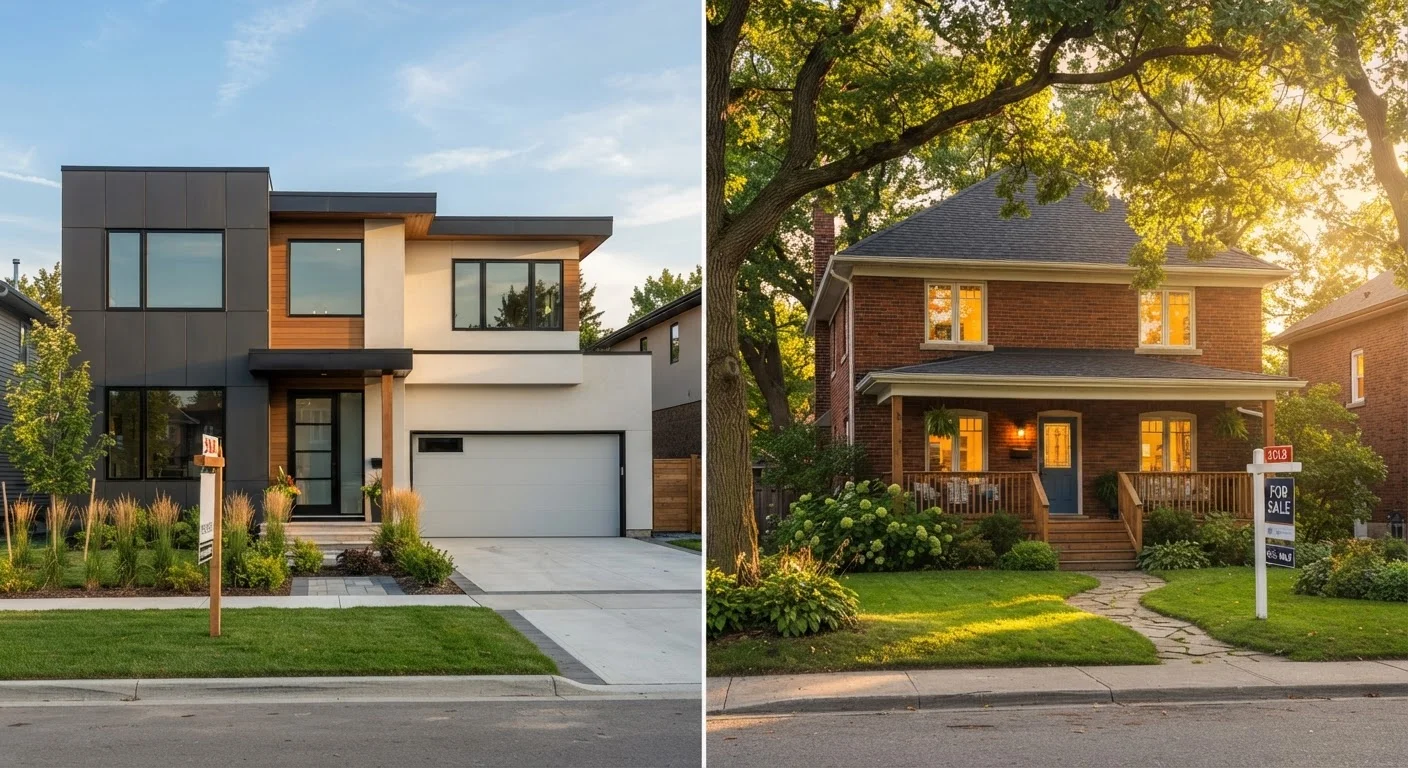
Key Takeaways
- New construction offers customization and modern systems but typically costs more and takes longer to close.
- Existing homes are often priced lower per square foot and available in established neighborhoods with mature landscaping.
- Builder contracts differ significantly from standard resale contracts - independent legal review is advisable.
- Both paths carry distinct inspection risks: hidden defects in older homes, construction delays in new builds.
- Your timeline, budget flexibility, and lifestyle priorities should drive the decision more than market trends alone.
Modern energy efficiency and building codes
New homes are built to current energy codes, often featuring better insulation, high-efficiency HVAC systems, and double-pane windows - which can meaningfully reduce utility costs compared to older homes.
Builder warranty coverage on major systems
Most builders offer structural warranties (commonly 10 years) and shorter-term coverage on systems and appliances, reducing the financial risk of early major repairs.
Customization of finishes and layout
Buyers who purchase early in the build cycle can often select flooring, countertops, cabinetry, and sometimes floor plan modifications - creating a home tailored to their preferences without a renovation.
No immediate deferred maintenance
Everything is new at closing - roof, plumbing, electrical, appliances - so buyers are unlikely to face costly repairs in the first several years of ownership.
Higher price per square foot in many markets
New construction typically commands a premium over comparable existing homes, and builder upgrade packages can significantly inflate the final purchase price beyond the advertised base price.
Longer, less predictable timelines
Supply chain delays, labor shortages, and permit backlogs can push a projected closing date back by months, creating complications for buyers with lease end dates or school enrollment deadlines.
Undeveloped surroundings and immature community
New developments often lack established landscaping, nearby retail, and neighborhood character for several years - the community may look quite different from marketing renderings.
Builder contracts favor the builder
Unlike standard resale contracts, builder agreements are written by the developer's legal team and often include clauses that limit buyer remedies for delays or construction defects.
Our Verdict
Neither new construction nor an existing home is universally the better choice - each path suits a different buyer profile and set of priorities. New builds reward buyers who value modern energy efficiency, warranty coverage, and the ability to personalize finishes, provided they can handle a longer, less predictable timeline. Existing homes suit buyers who prioritize location, established community feel, and a faster, more negotiable purchase process.
New construction is best for buyers with flexible timelines and a desire for move-in-ready modern features; existing homes are best for buyers prioritizing location, negotiating power, and quicker possession.
What Sets These Two Paths Apart
When you buy a newly built home, you're purchasing from a developer or builder - often before the home is even finished. When you buy an existing home (also called a resale home), you're transacting with a private seller who has previously lived in or owned the property. That fundamental difference ripples through nearly every aspect of the transaction: price, contract terms, timeline, inspection process, and what you can negotiate.
Understanding these structural differences upfront helps buyers avoid surprises and approach each option with realistic expectations. If you're still weighing whether homeownership is right for you at all, our comparison of renting vs. buying lays out the broader financial and lifestyle picture.
Advantages and Disadvantages of New Construction
New construction homes come with a distinct set of benefits - and some significant caveats buyers should weigh carefully.
Modern energy efficiency and building codes
New homes are built to current energy codes, often featuring better insulation, high-efficiency HVAC systems, and double-pane windows - which can meaningfully reduce utility costs compared to older homes.
Builder warranty coverage on major systems
Most builders offer structural warranties (commonly 10 years) and shorter-term coverage on systems and appliances, reducing the financial risk of early major repairs.
Customization of finishes and layout
Buyers who purchase early in the build cycle can often select flooring, countertops, cabinetry, and sometimes floor plan modifications - creating a home tailored to their preferences without a renovation.
No immediate deferred maintenance
Everything is new at closing - roof, plumbing, electrical, appliances - so buyers are unlikely to face costly repairs in the first several years of ownership.
On the other side, new builds carry real disadvantages that catch some buyers off guard.
Higher price per square foot in many markets
New construction typically commands a premium over comparable existing homes, and builder upgrade packages can significantly inflate the final purchase price beyond the advertised base price.
Longer, less predictable timelines
Supply chain delays, labor shortages, and permit backlogs can push a projected closing date back by months, creating complications for buyers with lease end dates or school enrollment deadlines.
Undeveloped surroundings and immature community
New developments often lack established landscaping, nearby retail, and neighborhood character for several years - the community may look quite different from marketing renderings.
Builder contracts favor the builder
Unlike standard resale contracts, builder agreements are written by the developer's legal team and often include clauses that limit buyer remedies for delays or construction defects.
Builder contracts are also notably different from standard resale agreements. They're drafted by the builder's legal team and tend to favor the builder - for example, allowing schedule extensions without penalty. Having a real estate attorney review the contract before signing is strongly advisable, not optional.
The Existing Home Advantage: Location and Negotiability
Resale homes often occupy lots and neighborhoods that simply aren't available to new development. Mature trees, walkable blocks, proximity to established schools, and access to urban amenities are difficult - sometimes impossible - to replicate in newly developed areas on the suburban fringe.
Negotiating power is also typically greater with existing homes. Private sellers often have emotional timelines and financial pressures that create room for price reductions, closing cost contributions, or repair credits after inspection. In contrast, builders rarely discount the base price, though they may offer incentives on upgrades or financing through their preferred lenders.
Home Inspections Still Matter on Resale Homes
A professional home inspection is one of the most important steps in buying an existing property. Inspectors can identify issues that aren't visible during a standard showing - aging roofs, outdated wiring, foundation concerns, or HVAC systems near the end of their service life. The cost of an inspection is modest relative to the potential repair bills it can help buyers anticipate or negotiate. Never waive an inspection without understanding what you're giving up.
Existing homes are also subject to a more standardized purchase contract in most states, which buyers' agents and attorneys are well-versed in interpreting. That said, older homes carry their own risks - deferred maintenance, outdated electrical panels, older roofs, and systems nearing end of life can turn a seemingly good deal into a costly one without a thorough inspection.
If you eventually purchase and want to improve an existing home's value or livability, not all renovation projects pay off equally at resale - a useful read before committing to upgrades.
Making the Right Call for Your Situation
The decision ultimately comes down to three practical filters: timeline, budget flexibility, and location priorities.
- Timeline: New construction closings can stretch 6-18 months from contract to keys, and delays are common. If you need to move by a specific date, a resale home with a standard 30-60 day escrow is more predictable.
- Budget: New homes tend to carry a price premium per square foot. Upgrades chosen at the design center can add tens of thousands of dollars quickly. Existing homes may require repair costs post-inspection, but those are often negotiable and easier to scope in advance.
- Location: If a specific school district, walkability score, or established neighborhood matters to you, the resale market will likely offer more options. New developments are typically concentrated in growth corridors and suburban areas.
In competitive markets, buyers sometimes feel pressured into quick decisions on either path. Our guide on buying without overextending yourself offers practical strategies for staying financially grounded regardless of which option you pursue.
Once you've purchased, thinking of your home as a long-term asset - not just a place to live - shapes how you maintain and improve it over time. The Owning Property hub covers the responsibilities and strategies that come after closing.
This article is for general informational and educational purposes only and does not constitute financial, legal, or real estate advice. Consult a licensed real estate professional and legal counsel for guidance specific to your situation.