

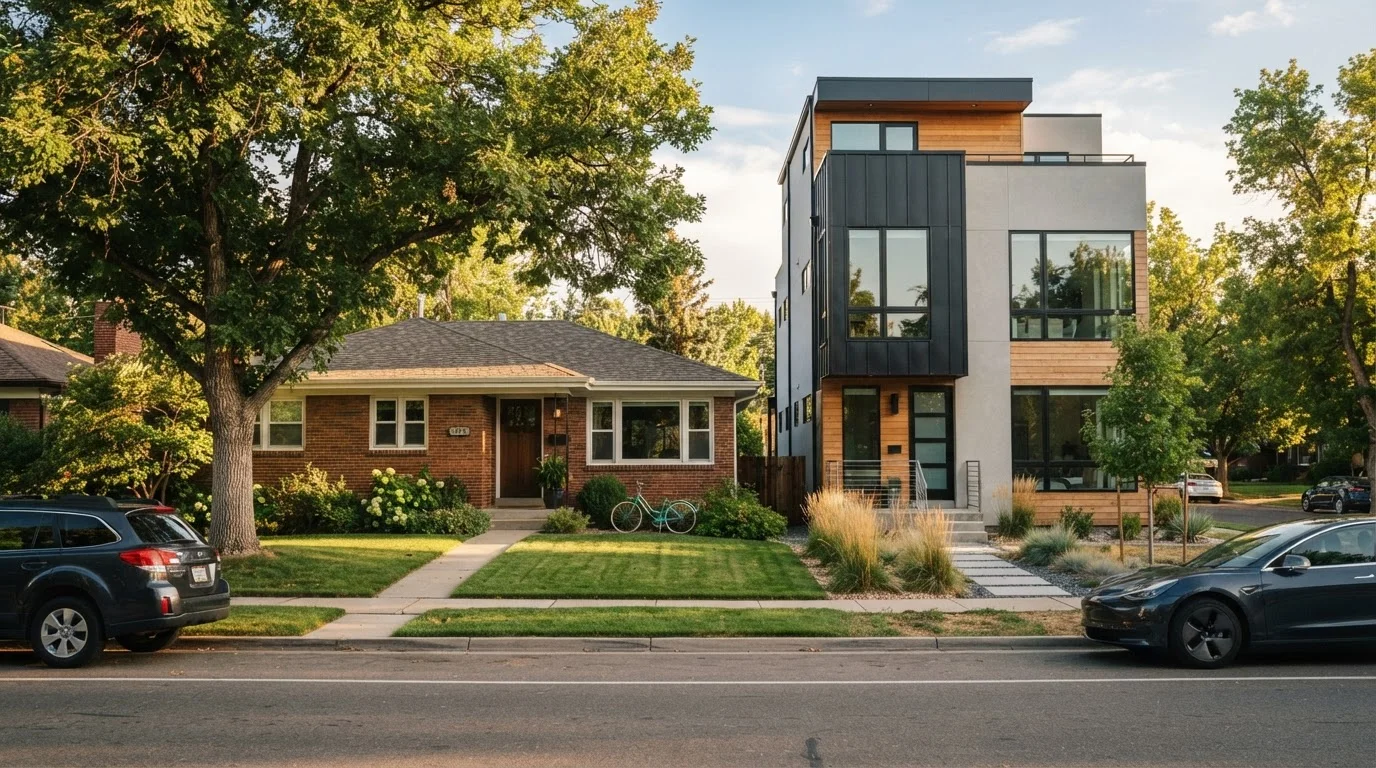
Key Takeaways
- Your home's construction decade is one of the strongest predictors of which systems need the most attention.
- Pre-1980 homes commonly face legacy hazards like lead paint, asbestos, and outdated electrical panels.
- Homes built in the 1980s-2000s often face aging HVAC systems, early-generation windows, and deteriorating caulk and sealants.
- Newer homes (2010s and beyond) shift focus toward warranty verification, settling, and builder-grade material longevity.
- No home age is maintenance-free - the risks simply shift from hazardous materials to mechanical and structural wear.
Home Age & Maintenance Priority
A home's construction era determines which materials, systems, and building codes were used - and therefore which components are most likely to wear out, fail, or fall short of modern safety standards. Older homes often carry legacy issues like outdated wiring or aging pipes, while newer homes face different challenges such as settling and warranty transitions. Matching your maintenance focus to your home's age helps you catch problems before they compound.
Building codes have been updated repeatedly over the decades, meaning a pre-1978 home may contain lead paint or asbestos, while a home built before the 1990s may have electrical panels that predate current arc-fault protection requirements.
Why Building Era Matters More Than Square Footage
When homeowners think about upkeep, they often focus on size or location. But the year a home was built may be the single most useful lens for setting maintenance priorities. Construction methods, materials, and code requirements have changed dramatically over the decades - meaning a 1965 ranch and a 2015 townhouse carry very different sets of inherent risks and timelines.
Understanding your home's era helps you move from reactive firefighting to a genuinely proactive routine. See our guide to every major home system for a full breakdown of what each component involves and how to keep it in shape.
~40%
U.S. homes built before 1970
According to U.S. Census Bureau housing data, a substantial share of the American housing stock predates modern building codes.
15-20 yrs
Typical HVAC system lifespan
Industry guidance from HVAC trade associations generally places central heating and cooling system lifespans in this range under normal use.
1978
Year lead paint was banned in residential use
The Consumer Product Safety Commission banned lead-based paint for residential use in 1978; homes built before this date may still contain it.
Pre-1980 Homes: Legacy Materials and Safety Upgrades
Homes built before 1980 were constructed under significantly older standards, and many contain materials that are now known hazards or simply past their expected lifespan. The priorities here tend to be less about aesthetics and more about safety and infrastructure.
- Lead paint: Any painted surface in a pre-1978 home may contain lead. Intact paint is generally lower risk, but sanding, scraping, or renovating disturbs it. The EPA's Renovation, Repair, and Painting rule requires certified contractors for certain projects in these homes.
- Asbestos: Commonly used in insulation, floor tiles, and roofing materials through the 1970s. It's generally safest to leave undisturbed asbestos in place and have any suspect materials tested before remodeling.
- Knob-and-tube or aluminum wiring: Electrical systems from this era often lack grounded outlets and may not support modern loads. A licensed electrician's assessment is strongly recommended if you haven't had one.
- Cast iron or galvanized steel pipes: These corrode over decades. Watch for discolored water, low pressure, or slow drains as early signals.
- Roof and foundation age: Original roofing materials from the 1960s and 1970s are well past typical lifespan. Foundations may show settling cracks that warrant a structural engineer's eye.
Skipping assessments on these items can turn a manageable project into a major expense. The hidden costs of deferred maintenance tend to compound fastest in older homes where multiple systems are aging simultaneously.
1980s-2000s Homes: Mechanical Systems Hitting Their Limits
Homes from this era avoided many legacy hazards but are now reaching critical mechanical milestones. Systems installed during construction - HVAC units, water heaters, roofing, windows - have finite lifespans, and many are approaching or past them.
- HVAC systems: Central air and heating units typically last 15-20 years. A unit installed in 1995 or 2000 may be overdue for replacement or at least a thorough professional inspection.
- Windows and doors: Double-pane windows from the 1990s can develop seal failures that reduce insulation efficiency. Look for fogging between panes as a clear indicator.
- Exterior caulking and flashing: Sealants around windows, doors, and roof penetrations degrade over time, inviting water intrusion. This is a DIY-accessible inspection that pays outsized dividends.
- Decks and wood structures: Pressure-treated lumber standards changed in 2004, meaning older decks may have been treated with chemicals now phased out - and the wood itself may be significantly weathered. Annual inspection for rot, loose fasteners, and ledger-board attachment is worthwhile.
Homeowners in this bracket benefit most from a season-by-season maintenance calendar that systematically tracks system ages and inspection intervals.
2010s and Newer Homes: Settling In and Builder-Grade Longevity
Newer homes come with fewer legacy hazards, but they introduce a different set of concerns that first-time buyers sometimes overlook.
- Foundation and framing settlement: New construction settles over the first several years. Minor drywall cracks near corners are common; cracks that widen or run diagonally across walls may signal something more significant and merit a professional look.
- Builder-grade materials: Entry-level fixtures, flooring, and appliances installed during construction may have shorter lifespans than premium alternatives. Knowing what's in your home helps you anticipate replacement timelines.
- Warranty transitions: New construction typically includes structural warranties (often 10 years) alongside shorter coverage for systems and workmanship. Understanding what remains under warranty - and documenting any issues before coverage expires - is a high-value task.
- Landscaping and drainage: Grading around new construction sometimes requires adjustment after settling. Ensure water drains away from the foundation rather than pooling against it.
Even newer homes benefit from thoughtful stewardship. Consider how managing your home as a long-term asset can protect its value well beyond the builder-warranty period.
Document Your Home's System Ages
Create a simple spreadsheet listing each major system - HVAC, water heater, roof, windows - along with the installation year if known. Your home inspection report, seller disclosures, and permit history from your local building department are good starting points. Knowing what's approaching end-of-life lets you plan and budget rather than scramble after a failure.
Building an Age-Appropriate Maintenance Routine
Regardless of era, the underlying principle is the same: match your inspection frequency and focus areas to the systems most likely to be under stress in a home of your age. A useful starting point is a professional home inspection - not just at purchase, but as a periodic check-in every several years. Inspectors can flag issues specific to your home's construction decade that a general checklist might miss.
For all homeowners, seasonal timing matters too - some tasks are better caught in fall before winter stress, others benefit from spring assessment after freeze-thaw cycles. Layering a seasonal schedule on top of an age-informed priority list gives you a genuinely comprehensive approach to protecting your home.
Explore home improvement resources to go deeper on specific projects, upgrades, and renovations suited to your home's needs.