

Key Takeaways
- Stress is a biological response, not just an emotion - it activates hormones, the immune system, and multiple organs.
- Short-term (acute) stress can sharpen focus and performance; chronic stress causes measurable harm over time.
- Prolonged stress is linked to increased risk of cardiovascular disease, immune suppression, and mental health conditions.
- The brain physically changes under long-term stress, particularly in areas governing memory and emotional regulation.
- Recognizing early warning signs is the first step to addressing stress before it becomes chronic.
- A qualified healthcare professional should be consulted when stress feels persistent or unmanageable.
Stress Response
The stress response is your body's automatic reaction to a perceived threat or demand. It involves a coordinated release of hormones and activation of body systems designed to help you cope. While short-term stress can be useful and even protective, chronic or repeated stress can take a significant toll on your physical and mental health over time.
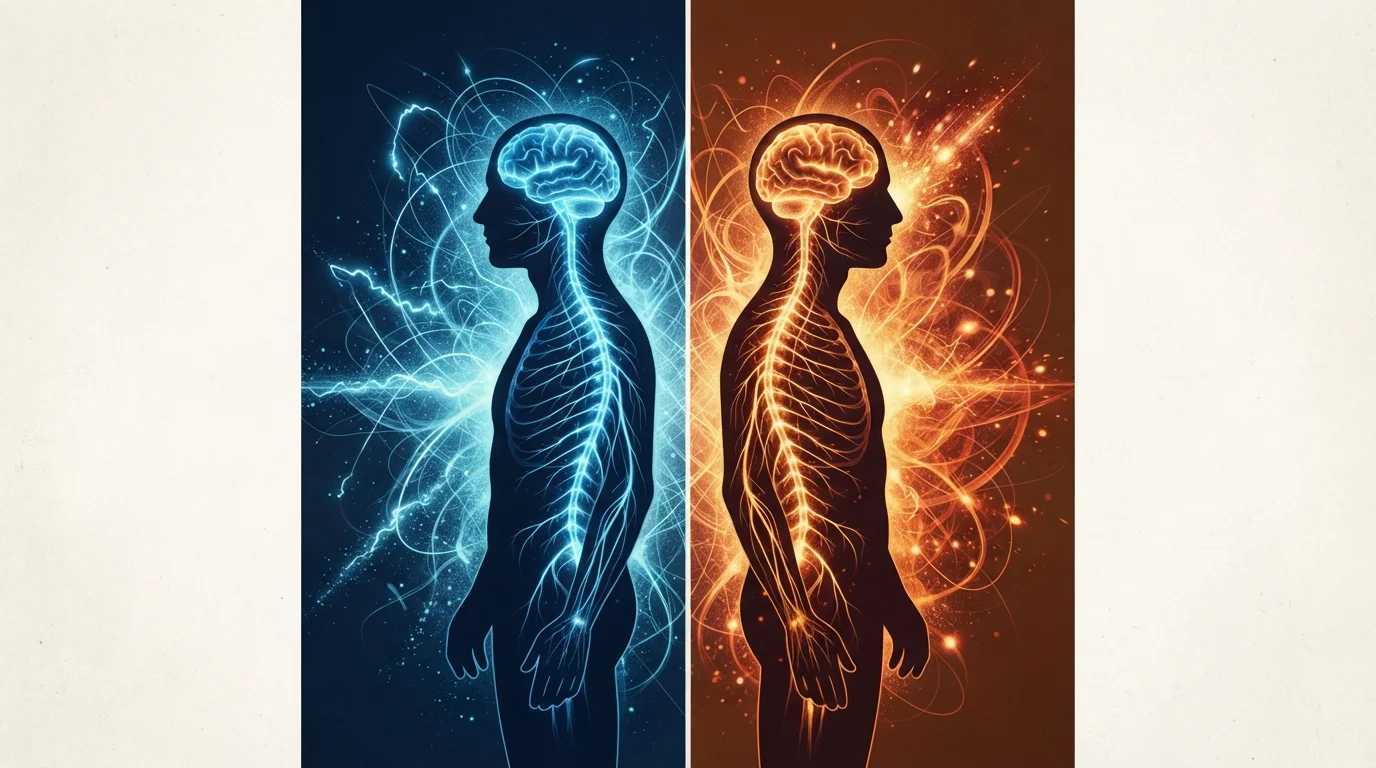
The primary stress hormones - cortisol and adrenaline (epinephrine) - are released via the hypothalamic-pituitary-adrenal (HPA) axis and the sympathetic nervous system, respectively, triggering the well-known "fight-or-flight" cascade.
The Biology Behind the Feeling
When your brain perceives a threat - whether it's a car cutting you off or a looming work deadline - it triggers an immediate hormonal chain reaction. The hypothalamus signals the adrenal glands to release adrenaline (epinephrine), causing your heart rate to spike, your breathing to quicken, and your muscles to tense. Moments later, cortisol follows, keeping the body alert and mobilizing energy reserves.
This is the fight-or-flight response, and it's a survival mechanism refined over millions of years. In a genuine emergency, it can save your life. The challenge is that your brain doesn't always distinguish between a physical threat and a psychological one - it responds similarly to both.
Stress also affects the gut-brain axis, a two-way communication highway between the digestive system and the brain. That "knot in your stomach" feeling before a stressful event is a real physiological phenomenon, not just metaphor.
“The greatest weapon against stress is our ability to choose one thought over another.”
— William James, 19th-century American philosopher and psychologist, widely regarded as the father of American psychology
Acute Stress vs. Chronic Stress: A Critical Distinction
Acute stress is short-term and generally resolves once the triggering situation passes. It can actually be beneficial - heightening concentration, boosting reaction time, and motivating action. Athletes, surgeons, and performers often rely on this kind of controlled stress response to perform at their peak.
Chronic stress is a different matter entirely. When the stress response stays activated over days, weeks, or months, the body pays a compounding biological price. Cortisol levels that should return to baseline remain elevated, disrupting sleep, digestion, immune function, and cardiovascular health. Over time, this sustained activation is linked to a higher risk of hypertension, type 2 diabetes, and heart disease.
Some of the everyday habits that quietly sustain stress levels are worth examining. Our article on habits that quietly erode mental health explores these patterns in detail.
77%
Americans reporting physical stress symptoms
According to the American Psychological Association's Stress in America surveys, a large majority of Americans regularly experience physical symptoms they attribute to stress.
2-3×
Increased cardiovascular risk with chronic stress
Research published in peer-reviewed cardiology literature suggests chronically stressed individuals face a significantly elevated risk of major cardiovascular events compared to low-stress counterparts.
~6%
Hippocampal volume reduction linked to elevated cortisol
Neuroimaging studies have documented measurable reductions in hippocampal volume associated with prolonged high cortisol exposure, affecting memory and learning capacity.
What Chronic Stress Does to Your Brain
The brain is one of the most vulnerable targets of prolonged stress. Research using neuroimaging has shown that chronically elevated cortisol is associated with reduced volume in the hippocampus - a region central to memory consolidation and learning. This helps explain why people under sustained stress often struggle to concentrate or recall information clearly.
Chronic stress also affects the amygdala, the brain's threat-detection center, making it more reactive over time. Simultaneously, the prefrontal cortex - which regulates rational thinking, impulse control, and emotional modulation - can become less effective. The net result is a brain that feels more anxious, more reactive, and less able to problem-solve.
Physical habits like exercise and quality sleep serve a meaningful protective role here. See how exercise, diet, and sleep connect to mood for a closer look at the evidence.
Immune Function, Inflammation, and Physical Health
Cortisol has a complex relationship with the immune system. In short bursts, it can be anti-inflammatory and protective. But when cortisol stays elevated chronically, the immune system becomes dysregulated - it may respond less effectively to pathogens or, paradoxically, promote low-grade systemic inflammation that contributes to a range of chronic diseases.
Research has linked chronic stress to slower wound healing, increased susceptibility to respiratory infections, and worsening of autoimmune conditions. The cardiovascular system is particularly vulnerable: sustained stress raises blood pressure, increases inflammatory markers, and can contribute to arterial stiffness over time.
Social isolation compounds these effects. Evidence consistently shows that strong social bonds buffer the physiological impact of stress - one reason why social connection has measurable mental and physical health benefits.
This article is for informational purposes only and is not a substitute for professional medical advice, diagnosis, or treatment. Always consult a qualified healthcare provider with questions about your health or any symptoms you may be experiencing.