

Key Takeaways
- A sinking fund is purpose-built for predictable expenses, not financial emergencies.
- Dividing the total cost by the number of months until payment reveals the monthly savings amount.
- Separate sub-accounts or labeled envelopes help prevent sinking fund money from being spent accidentally.
- Automating monthly transfers removes the need for willpower and keeps contributions consistent.
- Sinking funds reduce reliance on credit cards and debt for large but foreseeable costs.
Sinking Fund
A sinking fund is a dedicated savings pool you build gradually over time to cover a specific, anticipated expense. Instead of scrambling when a large bill arrives, you set aside a small fixed amount each month until you reach your goal. The approach converts irregular, lump-sum costs into predictable, bite-sized contributions that fit inside a regular budget.
Unlike an emergency fund - which is reserved for unexpected events - a sinking fund targets expenses you can see coming, giving it a defined target amount and a clear deadline.
Why Predictable Expenses Still Catch People Off Guard
Many people who manage their monthly bills responsibly still find themselves financially blindsided several times a year. The culprit is rarely a true emergency - it is the expense they knew was coming but never formally saved for. A car registration bill, a semi-annual insurance premium, a holiday gift budget, a summer vacation: these costs are entirely predictable, yet they often arrive feeling like a surprise.
This pattern is one of the main engines behind the paycheck-to-paycheck cycle. Without a system for smoothing out these irregular costs, even diligent budgeters turn to credit cards or drain their general savings repeatedly. Understanding how fixed and variable expenses differ is a useful starting point, but sinking funds take budgeting one step further by planning for expenses that fall outside both of those standard categories.
How a Sinking Fund Works in Practice
The mechanics are straightforward. Start by identifying an upcoming expense and its approximate total cost. Then count the number of months between now and when you need the money. Divide the total by those months, and you have your monthly contribution amount.
For example, if your car insurance renews annually at $1,200 and you have 12 months until the next payment, you set aside $100 each month. When the bill arrives, the money is already there. No credit card charge. No budget crisis.
~57%
Americans living paycheck to paycheck
A widely cited LendingClub and PYMNTS survey found that a majority of U.S. consumers report spending all or nearly all of their income each month, leaving little buffer for irregular costs.
$1,200+
Average annual vehicle maintenance cost per car
According to AAA's annual Your Driving Costs study, typical vehicle ownership involves recurring maintenance and repair expenses that benefit directly from advance saving strategies.
12 months
Maximum planning window for most sinking funds
Most household sinking fund categories - insurance, taxes, holidays, vacations - have natural annual or semi-annual cycles that align with a 6-12 month savings timeline.
Each sinking fund is ideally kept in a separate account or labeled sub-account, clearly earmarked for one purpose. This separation prevents the money from blending into everyday cash flow and being spent on unrelated needs. Many banks allow customers to open multiple savings sub-accounts at no cost, making it practical to run several sinking funds simultaneously.
To keep contributions consistent, automating your monthly transfers is strongly recommended. Automation removes the decision - and therefore the temptation to skip - each month.
Common Categories Worth a Dedicated Sinking Fund
Nearly any predictable, lump-sum cost can be managed this way. Some of the most common categories include:
- Vehicle costs: Annual registration, tires, and scheduled maintenance intervals.
- Home maintenance: HVAC servicing, gutter cleaning, or a roof replacement planned several years out.
- Holidays and gifts: Setting a target in January and saving monthly eliminates December credit card debt.
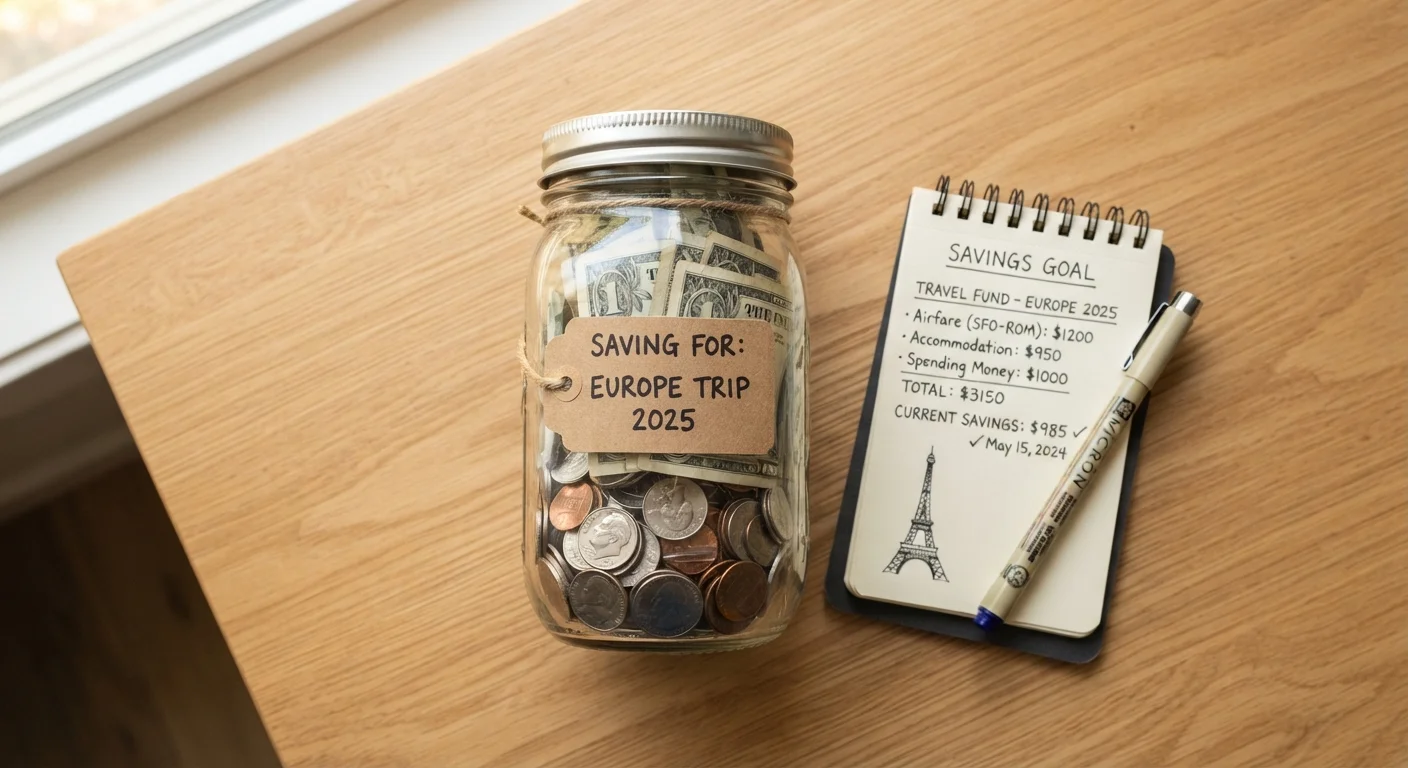
- Travel: A vacation fund built over 6-12 months lets you pay for the trip before you take it.
- Insurance premiums: Annual or semi-annual payments for auto, home, or life insurance.
- Property taxes: If not escrowed through a mortgage, property taxes arrive in large installments that benefit greatly from this approach.
The broader your sinking fund system, the more predictable your cash flow becomes - turning what used to feel like financial ambushes into routine, managed line items.
Sinking Funds, Debt, and Building Longer-Term Stability
One of the quieter benefits of sinking funds is their role in keeping debt from growing. When a large, predictable expense arrives and the cash is ready, there is no need to reach for a credit card. Over time, this habit meaningfully reduces the financial pressure that forces many households to borrow repeatedly for ordinary life events.
For households already carrying debt, the calculus is more nuanced. Saving for a sinking fund while simultaneously repaying high-interest debt requires balancing two valid financial priorities. The trade-off between saving and debt repayment depends on interest rates, income stability, and personal risk tolerance - factors that vary by household. A licensed financial adviser can help assess which priority makes sense for a given situation.
Building the habit of setting money aside before it is needed is itself a foundational financial skill. Combined with the habits that make a budget work long-term and regular account monitoring - as outlined in monthly banking routines - sinking funds become one piece of a coherent system that reduces financial stress over time.
This article provides general financial information for educational purposes only and does not constitute personalized financial, tax, or investment advice. Consult a qualified financial professional for guidance specific to your circumstances.