

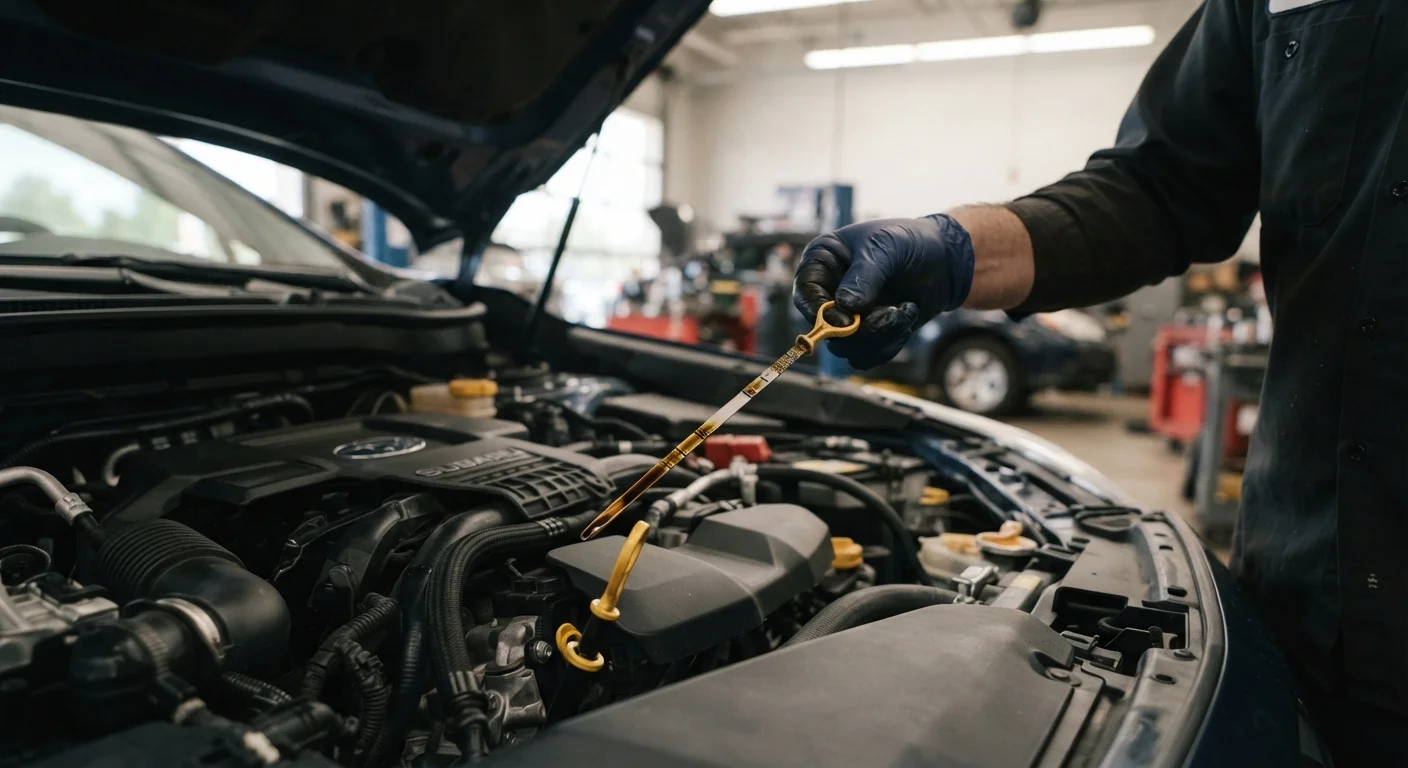
Key Takeaways
- Most vehicle fluids can be visually inspected at home with basic tools and a few minutes.
- Engine oil and coolant are the two highest-priority fluids to monitor regularly.
- Low or degraded brake fluid can directly compromise stopping ability - never ignore it.
- Transmission fluid neglect is a leading cause of expensive drivetrain repairs.
- Your owner's manual is the most reliable source for manufacturer-specific intervals.
- Catching a fluid problem early almost always costs far less than repairing the damage it causes.
Summary
18 items · 20-40 minutes
Why Fluid Checks Are the Foundation of Preventive Maintenance
A modern vehicle relies on six or more separate fluid systems to keep its engine, brakes, steering, and transmission functioning safely. When any one of those fluids runs low, becomes contaminated, or degrades over time, the components it serves begin to wear faster - often without triggering a warning light until significant damage has already occurred.
The good news is that most fluid checks require no special training. With a clean rag, your owner's manual, and about 20 to 40 minutes, you can assess the condition of nearly every critical fluid in your vehicle. This checklist walks you through each one, explains what to look for, and outlines how often each inspection should happen. For a broader picture of scheduled upkeep, see our routine maintenance overview covering oil changes, brake inspections, and more.
Never Open a Hot Radiator Cap
Coolant in a hot engine is under significant pressure. Opening the radiator cap while the engine is warm or hot can cause scalding fluid to erupt and cause serious burns. Always wait at least 30 minutes after switching off the engine before checking the radiator directly. The coolant overflow reservoir can usually be checked safely at any time because it is not pressurized.
What You'll Need Before You Start
Gathering the right materials before you open the hood makes the process faster and more accurate. Most items are already in a typical garage or glove compartment.
Vehicle Owner's Manual
Provides manufacturer-specific fluid types, capacities, and recommended inspection and replacement intervals for your exact vehicle.
Clean lint-free rags or paper towels
Used to wipe dipsticks clean before re-reading and to catch any drips during inspection.
Flashlight or work light
Helps you clearly see fluid levels, reservoir markings, and any signs of leaks in a shaded engine bay.
Nitrile gloves
Protects hands from contact with engine oil, brake fluid, and coolant - some of which can irritate skin.
Fluid test strips (brake fluid)
Inexpensive strips that indicate moisture content in brake fluid, giving a more objective reading than color alone.
Always check fluids on a level surface and - for most fluids - with the engine cold or at operating temperature as specified by your owner's manual. Mixing up these conditions can produce inaccurate readings.
The Complete Fluid Inspection Checklist
Work through each group methodically. Prioritize the must items first - they directly affect safety and engine longevity. If you identify a fluid that is low, discolored, or has an unusual smell, consult a qualified mechanic before driving the vehicle further when the problem involves brakes or steering. For context on how skipping these checks can quietly damage a vehicle over time, see how ownership decisions accelerate wear and tear.
Engine Oil
Engine Coolant
Brake Fluid
Transmission Fluid
Power Steering Fluid
Windshield Washer Fluid
Reading the Results: What Normal Looks Like
Knowing what to look for matters as much as knowing when to look. Here is a quick reference for evaluating what you find:
- Engine oil: Should appear amber to light brown on the dipstick. Black, gritty oil or a milky appearance (indicating coolant contamination) means service is overdue or a mechanical problem exists.
- Coolant: Typically green, orange, or pink depending on the type. A rusty or oily appearance suggests contamination. Always check the reservoir level - never open a hot radiator cap.
- Brake fluid: New fluid is nearly clear to pale yellow. Dark brown fluid indicates moisture absorption and reduced effectiveness.
- Transmission fluid: Should be bright red and slightly translucent. Dark brown or fluid with a burnt smell points to degradation requiring professional attention.
- Power steering fluid: Clear to light amber. Foamy or dark fluid can indicate a leak or contamination.
- Windshield washer fluid: Any level is acceptable as long as you top it up before it empties - this is the only fluid here with no safety-critical chemical degradation to worry about.
For a comprehensive breakdown of every major maintenance category beyond fluids, the full car maintenance guide covers brakes, tires, filters, and belts in one place.
Low Brake Fluid Is Never a Minor Issue
Brake fluid is a closed system - under normal conditions, the level should remain stable. A noticeably low reservoir almost always means worn brake pads (which consume more fluid as they wear down) or a leak somewhere in the hydraulic system. Either situation should be evaluated by a qualified mechanic before the vehicle is driven further. Do not simply top off brake fluid and assume the problem is resolved.