

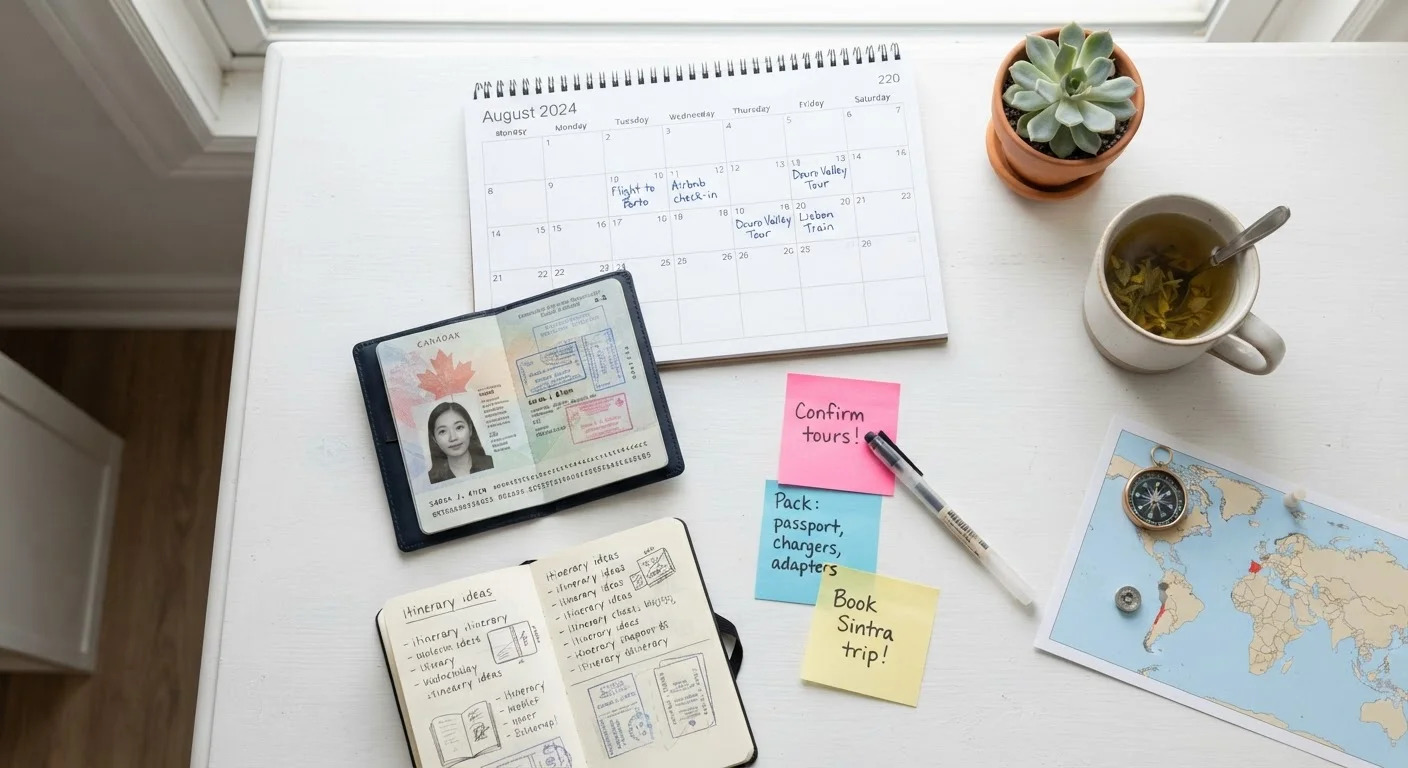
Why Booking Timing Matters
Waiting too long to book a flight can mean paying significantly more. Moving too fast on a tour reservation can leave you locked in before you know your travel dates. Every component of a trip has an optimal booking window - and those windows vary widely depending on destination, season, and trip type.
This reference guide breaks down the key planning tasks and the general lead times that give most travelers the best combination of availability and flexibility. See the complete traveler's planning guide for broader context on the full planning process.
Booking Windows by Trip Component
Flights
For domestic flights, a window of roughly 1-3 months ahead generally offers a reasonable range of fares and seat availability. For international flights, most travelers find that booking 3-6 months out provides more options, particularly for peak travel periods. What the research says about flight booking timing goes deeper on fare patterns and when early booking is especially valuable.
Accommodations
Hotel availability in popular destinations narrows quickly during holidays and major events. For high-demand cities or resorts, booking 3-5 months in advance is advisable. For smaller domestic destinations off-peak, 4-6 weeks may suffice. Vacation rentals - particularly for larger groups or specific properties - often require even earlier action, sometimes 6 months or more for summer and holiday dates.
Tours, Excursions, and Activities
Small-group tours, guided hikes, cooking classes, and specialty experiences frequently have limited capacity. Book these 4-8 weeks ahead for most destinations; for iconic experiences (e.g., glacier hikes, whale-watching tours in peak season), 2-3 months ahead is safer. For activities that require permits - such as backcountry camping or certain national park hikes - research permit release dates well in advance, as some open months ahead and sell out within hours.
Ground Transportation and Transfers
Car rentals booked early often carry better rates and availability, especially at smaller regional airports. Aim for at least 4-6 weeks out for peak travel periods. Train reservations in Europe and parts of Asia can open 2-3 months in advance, and popular routes sell out. Airport transfers and private drivers can typically be arranged 1-2 weeks ahead, though earlier booking provides peace of mind.
Visas and Travel Documents
Passport and visa timelines sit outside a booking window - they are hard administrative deadlines. Check your passport expiration well before you even start booking: many countries require 6 months of validity beyond your travel dates. Visa processing times vary widely by country and applicant location; always verify current requirements with the official consulate or embassy of your destination country before making non-refundable bookings.
Adjusting Your Timeline by Trip Type
Weekend or Short Domestic Trips
For a 2-3 day road trip or a quick domestic flight within the same region, a 3-6 week planning window is often enough. Focus first on any accommodation that might sell out (popular camping spots, boutique hotels), then confirm transportation.
Week-Long International Trips
Start the planning process 4-6 months before departure. Flights and accommodations should be confirmed first; activities and day tours can follow once your itinerary takes shape. See the guide to building an itinerary that actually works for structuring your days once bookings are in place.
Multi-Week or Complex Itineraries
Trips spanning multiple countries, or those requiring timed transportation connections (cruise departure ports, overland segments), need 6-12 months of lead time for the core logistics. Factor in time for visa applications, travel health consultations, and building in a travel buffer day wherever connections are tight.
Group travel adds another layer of complexity. When multiple people need to align on dates and preferences, early coordination is essential - the strategies for traveling with different planning styles article addresses how to handle that effectively.
For a complete task-by-task checklist organized by planning stage, refer to the trip planning checklist from first idea to departure gate.