

Key Takeaways
- Layovers longer than three hours offer real opportunities for rest, exploration, or work.
- Short connections under 90 minutes carry genuine risks of missed flights, especially at large hub airports.
- Some major hub airports offer amenities like showers, lounges, and transit hotels that change the layover experience.
- Leaving the airport during a layover requires verifying visa and re-entry rules before you travel.
- Flight delay risks make very tight connections a gamble not worth taking on important trips.
Reduces stress compared to tight connections
A buffer of two or more hours means a delayed inbound flight is an inconvenience rather than a crisis. This is especially valuable on international itineraries where re-clearing customs adds time.
Access to airport amenities unavailable mid-flight
Showers, proper meals, lounges, and walking space all become available. Many travelers arrive at their destination more rested after a layover than after a non-stop red-eye.
Potential for a city visit on longer stopovers
At well-connected international hubs, a layover of six or more hours can allow a genuine, if brief, glimpse of the city - provided entry requirements are confirmed in advance.
Fare savings on connecting itineraries
Connecting flights frequently cost less than non-stop routes on the same city pair, which is why many budget-conscious travelers accept a layover as a reasonable trade-off.
Tight connections carry real missed-flight risk
U.S. airlines typically set minimum connection times, but those assume on-time arrivals. Any delay on the inbound leg can cascade, particularly at airports with concourses spread across large distances.
Airport costs add up faster than expected
Food, lounge access, and ground transportation if you leave the airport can narrow or eliminate the fare savings that made the connecting itinerary attractive in the first place.
Physical fatigue from extended transit time
Multiple hours in an airport - even a comfortable one - adds to total journey time and can leave travelers more drained upon arrival, especially on long-haul routes.
Visa and entry requirements complicate airport exits
Leaving the international transit zone requires the appropriate visa or visa-waiver authorization for that country, which varies significantly and must be verified before travel through official government sources.
Our Verdict
Airport layovers are neither wasted time nor guaranteed opportunities - they're what you make of them given your connection length, airport, and energy. A well-planned layover at a major hub can add genuine value to a trip, while a rushed connection at an unfamiliar airport is a source of real stress. The key is going in with a plan proportional to your time window.
Travelers with layovers of three hours or more who are willing to research their airport's amenities and entry requirements in advance.
Why Layovers Feel Like Wasted Time - and When They Actually Are
For most travelers, a layover is something to minimize. You're stuck between departure and arrival, running on disrupted sleep, navigating an unfamiliar terminal, and watching the clock. That frustration is legitimate - especially when connections are tight or the airport offers little more than overpriced sandwiches and uncomfortable seating.
Short layovers under 90 minutes are the worst of both worlds: too brief to relax or explore, yet long enough to involve real anxiety about making your connection. At large hub airports - think Atlanta, Chicago O'Hare, or Dallas/Fort Worth - gates can be a 20-minute walk or train ride apart. A delay on your inbound flight can quickly turn a 75-minute connection into a sprint or a miss.
If your itinerary includes back-to-back tight connections, consider the broader planning picture. Our guide to building a realistic travel itinerary covers how to factor in transit time so logistics don't undermine the rest of your trip.
Reduces stress compared to tight connections
A buffer of two or more hours means a delayed inbound flight is an inconvenience rather than a crisis. This is especially valuable on international itineraries where re-clearing customs adds time.
Access to airport amenities unavailable mid-flight
Showers, proper meals, lounges, and walking space all become available. Many travelers arrive at their destination more rested after a layover than after a non-stop red-eye.
Potential for a city visit on longer stopovers
At well-connected international hubs, a layover of six or more hours can allow a genuine, if brief, glimpse of the city - provided entry requirements are confirmed in advance.
Fare savings on connecting itineraries
Connecting flights frequently cost less than non-stop routes on the same city pair, which is why many budget-conscious travelers accept a layover as a reasonable trade-off.
The Genuine Upside: What a Long Layover Actually Allows
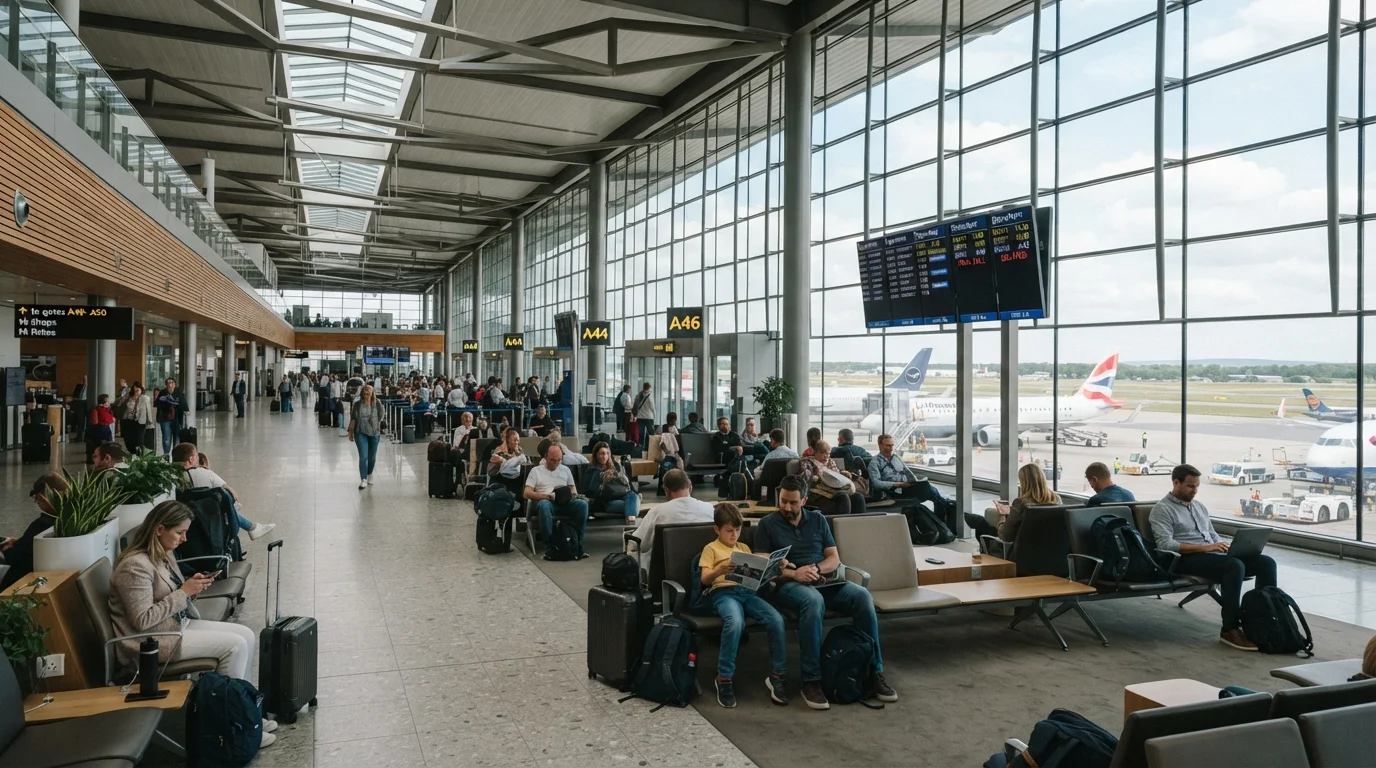
A layover of three hours or more - especially at a well-equipped international airport - opens up options that shorter connections don't. Many major hubs now include amenity-rich terminal spaces: pay-per-use shower suites, nap pods, airport lounges accessible through day passes or credit card benefits, and sit-down restaurants that don't feel like a punishment.
For travelers who work remotely, a long layover in a quiet lounge can substitute for a half-day in a hotel. For families, some airports offer dedicated children's play areas that genuinely help with restless kids. For the well-rested adventurer, layovers exceeding five or six hours at certain international hubs can allow a quick city excursion.
Always Check Entry Requirements Before Leaving the Airport
Transit visa rules vary by country and by your passport's nationality. Some countries allow visa-free transit within the airport but require a separate visa to enter the country proper - even briefly. Always verify current requirements with the official embassy or consulate of the layover country, and check U.S. government travel advisories at travel.state.gov before making any plans to exit the terminal.
If you're considering leaving the airport, the logistics matter enormously. Transit visa requirements, customs clearance time, and re-entry security queues all eat into your window. The realities of layover city visits are worth understanding before you plan a sightseeing detour.
Tight connections carry real missed-flight risk
U.S. airlines typically set minimum connection times, but those assume on-time arrivals. Any delay on the inbound leg can cascade, particularly at airports with concourses spread across large distances.
Airport costs add up faster than expected
Food, lounge access, and ground transportation if you leave the airport can narrow or eliminate the fare savings that made the connecting itinerary attractive in the first place.
Physical fatigue from extended transit time
Multiple hours in an airport - even a comfortable one - adds to total journey time and can leave travelers more drained upon arrival, especially on long-haul routes.
Visa and entry requirements complicate airport exits
Leaving the international transit zone requires the appropriate visa or visa-waiver authorization for that country, which varies significantly and must be verified before travel through official government sources.
What Travelers Often Overlook About Layover Costs
Layovers can quietly inflate a trip's cost in ways that don't show up in the original ticket price. Meals at airports carry a significant markup. Airport lounges with day passes typically run $30-$60 per person. If you leave the terminal, you may face transportation costs, entry fees, and the expense of a rushed meal in a tourist district - none of which were budgeted when you booked that connecting itinerary for its lower fare.
Those economics are worth factoring in before choosing an itinerary with a long layover to save money on flights. Hidden travel fees have a way of closing the gap between an apparently cheap routing and a more direct, slightly pricier one.
~23%
U.S. flights arriving late in a recent year
According to the U.S. Bureau of Transportation Statistics, roughly one in four domestic flights experienced some delay, underscoring the risk of short connection windows.
90 min
Commonly recommended minimum domestic connection time
Many experienced travelers and travel advisors suggest at least 90 minutes for domestic U.S. connections at large hubs, with more buffer recommended for international arrivals.
That said, some travelers actively choose longer layovers for their own reasons - extra buffer against delays, time to decompress between legs, or simply a preference for the slower pace. If flexibility is part of your travel philosophy, our piece on the value of less rigid itineraries explores that trade-off honestly.