

Key Takeaways
- Overtourism is defined by sustained imbalance between visitor volume and a destination's capacity-not just seasonal crowding.
- Infrastructure strain, resident displacement, and environmental degradation are the clearest structural signs.
- Timing, distribution of visitors, and tourist behavior all shape how heavily a place is impacted.
- Travelers can identify overtourism risk before booking by researching local news, official advisories, and seasonality data.
- Visiting during shoulder season or choosing secondary destinations nearby can reduce pressure on overtouristed sites.
Overtourism
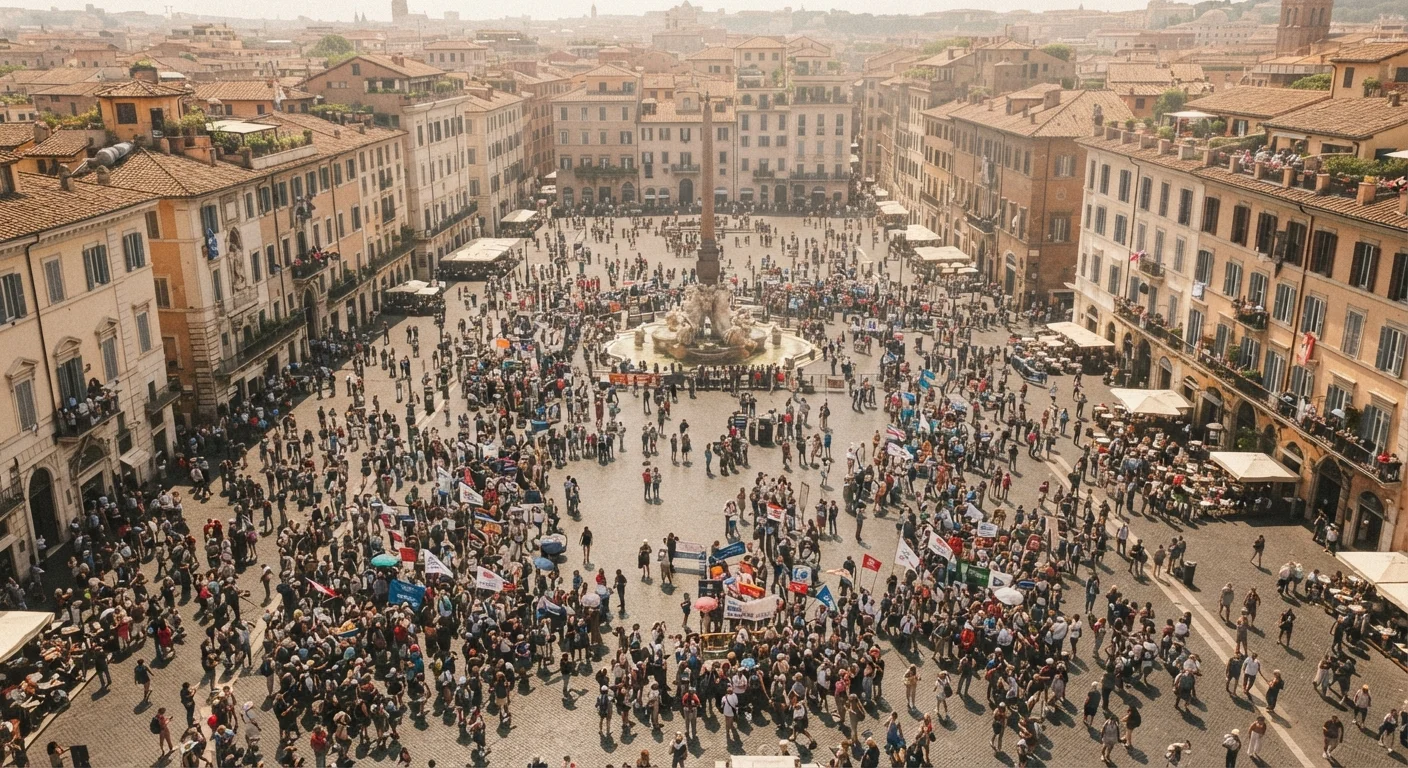
Overtourism occurs when the number of visitors to a destination consistently exceeds what its infrastructure, environment, and local community can comfortably sustain. The result isn't just long lines-it can mean degraded natural sites, strained public services, rising housing costs for residents, and a diminished experience for tourists themselves. It's a structural problem, not simply a matter of a busy weekend.
Researchers often measure overtourism through visitor-to-resident ratios, carrying capacity thresholds, and indicators of 'tourism intensity'-metrics that vary significantly by geography and urban density.
What Overtourism Actually Means
The word 'overtourism' entered mainstream travel conversation around the mid-2010s, but the conditions it describes are older. At its core, overtourism is a capacity problem: more visitors arrive than a destination's physical, social, and ecological systems can handle without meaningful harm.
That harm takes several forms simultaneously. Natural environments erode-coral reefs, hiking trails, and archaeological sites sustain damage faster than they can recover. Public infrastructure buckles under demand never designed for tourist volumes. And local residents experience rising rents, displaced businesses, and a loss of the everyday character that made the place worth visiting in the first place.
What makes overtourism distinct from ordinary busyness is its persistence. A destination jammed on a single holiday weekend is not overtouristed. A destination where every week of high season-and increasingly the shoulder months too-produces the same degraded conditions is.
Overtourism vs. Seasonal Crowding: A Key Distinction
Many destinations experience predictable busy seasons without qualifying as overtouristed. The meaningful threshold is whether visitor pressure causes lasting harm-to ecosystems, local housing markets, or cultural fabric-rather than temporary inconvenience. A beach that gets crowded in July but recovers fully by September is in a different situation than a historic city center where residents have been priced out year-round by short-term rental conversions driven by tourism demand.
The Conditions That Create It
Several factors tend to converge when overtourism takes hold. Understanding them helps travelers read destinations more accurately before they arrive.
- Geographic concentration: When visitors funnel into a small number of iconic sites-a single old town, a famous viewpoint, a narrow beach-pressure intensifies rather than distributes. Secondary cities and lesser-known alternatives in the same region often absorb far fewer visitors.
- Low-cost access: Budget airline routes and cruise ship itineraries dramatically expand visitor numbers to specific ports and city centers within short windows. A city of 500,000 receiving 10,000 cruise passengers every morning faces acute daily strain.
- Short-duration tourism: Visitors who arrive, photograph iconic landmarks, and leave within hours create peak congestion without contributing significantly to local economies through meals, lodging, or services.
- Insufficient policy response: Some destinations lack the regulatory tools or political will to manage growth-no visitor caps, no timed entry, no distribution incentives toward quieter areas.
When planning a trip, understanding how travel seasons affect a destination is a useful first step toward recognizing where and when these pressures peak.
How to Spot the Signs Before You Arrive
Identifying an overtouristed destination requires looking beyond travel photography and resort marketing. A few reliable signals:
Local media coverage
Searches combining a destination's name with terms like 'resident protests,' 'tourist caps,' or 'housing crisis' surface genuine local responses to visitor volume. Cities including Barcelona, Amsterdam, and Venice have seen sustained resident-led pushback documented in local and international press.
Government and municipal advisories
Some destinations have implemented official visitor limits-daily caps for Machu Picchu, permit systems for popular U.S. national park hiking trails, and timed-entry windows at major European attractions. These restrictions often appear on official tourism authority websites and signal acknowledged capacity problems.
Infrastructure quality trends
Traveler reviews that consistently describe broken facilities, overwhelmed public transit, or degraded natural environments-rather than isolated complaints-suggest systemic strain rather than a one-off bad day.
Before finalizing any itinerary, vetting a destination's current conditions and entry requirements can reveal practical constraints that marketing materials won't mention. A well-structured itinerary also matters: see our guide to building a trip itinerary that actually works for help balancing logistics against real-world conditions.
Look Beyond the Landmark
When a famous site appears on every itinerary, nearby alternatives often offer comparable experiences with far less congestion. Research the region-not just the attraction-before booking. A lesser-known village, secondary museum, or adjacent natural area may preserve the quality of experience that made the iconic version worth visiting before it became overwhelmed.
What This Means for How You Travel
Awareness of overtourism doesn't require avoiding popular destinations entirely-but it does reward more deliberate planning. Distributing time across a region rather than concentrating on a single site, choosing locally owned accommodation, visiting iconic attractions during early morning hours, and following all posted guidelines at natural or heritage sites all reduce individual impact.
Timing matters significantly. Shoulder season travel typically delivers a less congested experience and can meaningfully reduce pressure on the most strained months-though it won't resolve structural capacity issues on its own.
Some travelers also find that leaving more flexibility in their plans allows them to respond to conditions on the ground. Building room for the unexpected can mean redirecting away from a hopelessly crowded site toward a quieter alternative discovered in the moment.
Ultimately, overtourism is a policy and infrastructure challenge that no individual traveler can solve alone. But understanding what the term actually means-and what creates it-puts travelers in a better position to make informed choices and set realistic expectations before they go.