

Key Takeaways
- Rent control laws vary dramatically by city and state - there is no federal rent control in the United States.
- Many states have preemption laws that prohibit local governments from enacting rent control ordinances.
- Rent-stabilized units typically allow annual increases, but cap the percentage landlords can raise rent.
- Vacancy decontrol provisions can allow rents to reset to market rate when a tenant moves out.
- Knowing whether your unit is covered by rent regulations can directly affect your lease negotiation.
- Rent control does not replace other tenant protections such as habitability standards or anti-discrimination law.
Rent Control
Rent control is a category of local or state laws that limit how much a landlord can charge for rent or by how much rent can increase over time. These policies are designed to protect tenants - especially long-term residents - from sudden or steep rent hikes. The term is often used interchangeably with "rent stabilization," though the two can differ in scope and strictness depending on the jurisdiction.
Economists and policy experts distinguish between "hard" rent control, which caps rent at a fixed level, and "rent stabilization," which allows incremental increases tied to a formula such as the Consumer Price Index (CPI). Both fall under the broader umbrella of rent regulation.
The Basics: What Rent Control Actually Does
At its core, rent control restricts how much a landlord can charge or increase rent for a covered residential unit. The specific rules - what's capped, by how much, and for how long - depend entirely on the local or state ordinance in effect. There is no single national standard.
Most modern policies operate as rent stabilization: rather than freezing rent at a set level, they allow annual increases tied to a formula. Common benchmarks include a fixed percentage (say, 3% per year), the local Consumer Price Index, or a combination of both. A landlord with a stabilized unit can still raise rent - just not beyond the permitted ceiling.
Beyond caps on increases, many rent regulation laws include additional tenant protections: just cause eviction requirements, limits on pass-through costs, and transparency obligations. Understanding how these pieces interact is essential for any renter in a regulated market.
Where Rent Control Exists - And Where It's Banned
Rent regulation is highly concentrated geographically. A handful of states account for the vast majority of rent-stabilized units in the country.
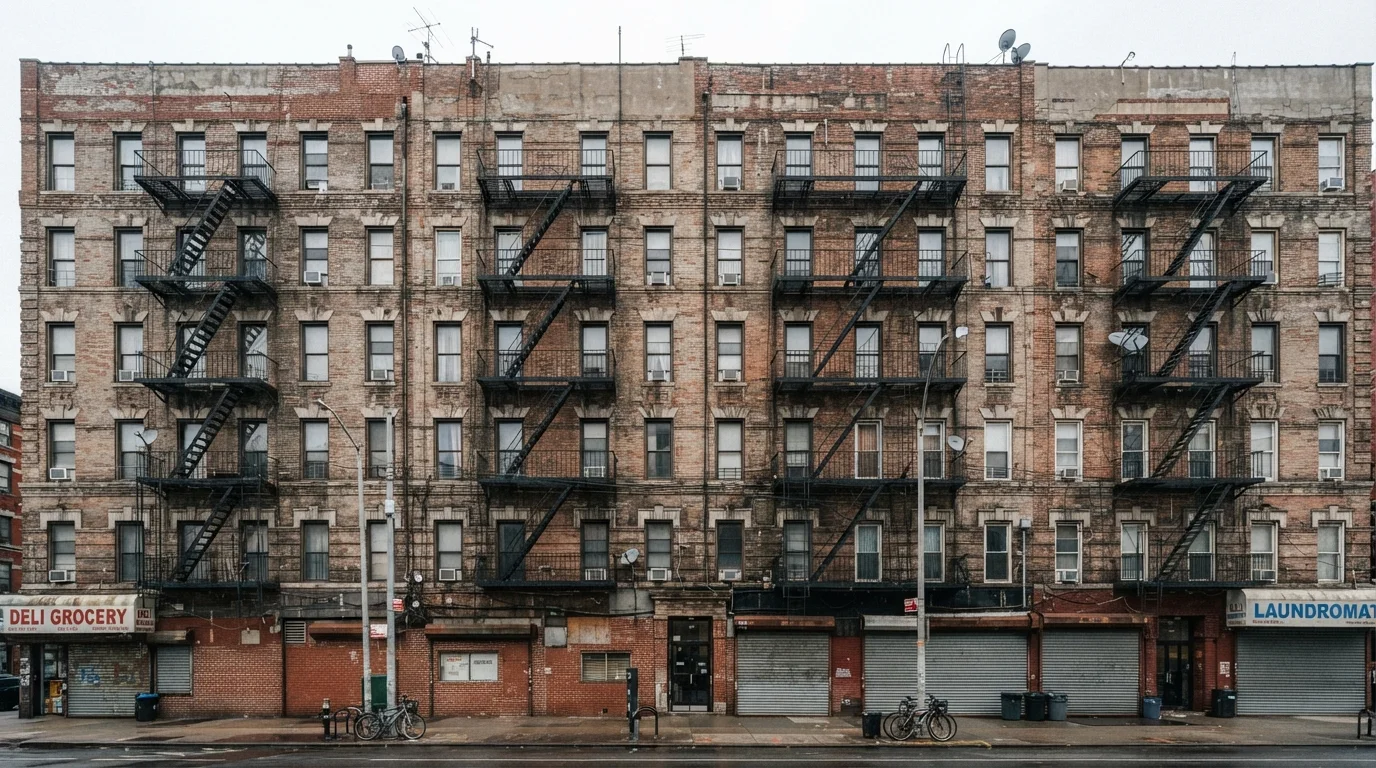
- New York has some of the most extensive rent stabilization laws in the nation, covering hundreds of thousands of apartments - primarily in New York City - under the Housing Stability and Tenant Protection Act of 2019.
- California enacted a statewide rent cap in 2020 (AB 1482) limiting annual increases to 5% plus local CPI (or 10%, whichever is lower) for most older rental housing. Cities like Los Angeles, San Francisco, and Oakland have additional local ordinances that are often stricter.
- New Jersey, Maryland, and Oregon also have statewide or widespread local rent regulations, with Oregon being the first state to pass a statewide rent control law in 2019.
On the other side of the ledger, more than 30 states have preemption laws - statutes that prohibit cities and counties from enacting any form of rent control. Texas, Florida, Arizona, and Georgia are among the states where local rent ordinances are legally blocked, regardless of local housing conditions.
30+
U.S. states with rent control preemption laws
According to the National Multifamily Housing Council, more than 30 states have statutes that prohibit local governments from enacting rent control ordinances.
~1M
Rent-stabilized units in New York City
New York City's Housing Preservation and Development agency estimates approximately one million apartments are subject to rent stabilization, making it the largest regulated rental market in the country.
5% + CPI
California's annual rent increase cap (AB 1482)
California's Tenant Protection Act of 2020 caps annual rent increases at 5% plus local CPI, or 10% total - whichever is lower - for covered housing statewide.
If you're navigating a competitive rental market, knowing the regulatory environment is one of the most practical advantages a renter can have. See our guide on navigating tight rental markets for more strategies.
Key Limitations and Common Exemptions
Rent control coverage is rarely universal, even within cities that have it. Most ordinances carve out significant portions of the rental market through exemptions:
- New Construction
- Newly built buildings are almost universally exempt for a set number of years - typically 10 to 30 - to avoid discouraging developers from adding housing supply.
- Single-Family Homes and Condos
- Many laws exclude individually owned single-family rentals and condominiums, particularly when the owner is a private individual rather than a corporate landlord.
- Subsidized Housing
- Units with federally subsidized rents (such as Section 8 project-based housing) are often excluded because their rents are already separately regulated.
- Vacancy Decontrol
- Perhaps the most consequential exemption: when a tenant voluntarily leaves a stabilized unit, the landlord may be permitted to reset the rent to market rate for the next tenant. This provision significantly erodes long-term supply of affordable regulated units.
Renters should also understand that lease language matters. Review common lease terms carefully - some agreements may include clauses that affect your rights under local law, though no lease can legally override a valid rent ordinance.
What Rent Regulation Means for Renters in Practice
If you live in a covered unit, rent control can provide meaningful budget predictability - particularly in cities where market rents have increased sharply. Long-term residents of stabilized apartments often pay substantially below-market rents, which can offer financial stability that market-rate renters don't have.
However, it's worth understanding what rent control does not guarantee. It does not ensure the apartment is well-maintained - habitability is governed by separate landlord-tenant law. It does not protect against all evictions, and it does not apply in most of the country. Clearing up these misconceptions is important; our article on common renter myths addresses several misunderstandings about tenant protections that frequently cause renters to make uninformed decisions.
If you believe your landlord is violating a local rent ordinance - charging above the allowed limit, imposing unlawful fees, or failing to register the unit - most cities with rent boards provide complaint mechanisms. Documenting rent payment history and any communications with your landlord is a practical first step.
This article is for general informational purposes only and does not constitute legal advice. Rent regulation laws vary significantly by jurisdiction and change over time. Consult a qualified tenant rights attorney or your local housing authority for guidance specific to your situation.