

| Core movement patterns | 6 (Push, Pull, Hinge, Squat, Carry, Core/Rotation) |
| Minimum recommended frequency per pattern | Once per week; twice preferred (General exercise science consensus) |
| Most commonly neglected pattern | Carry and horizontal pull (Widely noted in strength and conditioning literature) |
| Primary benefit of pattern-based training | Reduces muscular imbalances and overuse injury risk |
| Applicable to | All fitness levels and most training environments |
Why Movement Patterns Matter More Than Exercise Names
Most gym-goers think in terms of individual exercises - bench presses, squats, lat pulldowns. A more durable approach is thinking in movement patterns: the broad categories of how the human body moves. Every exercise is simply a variation of one of these fundamental patterns.
Organizing a fitness routine around movement patterns rather than muscle groups or equipment makes it easier to spot gaps, prevent overuse injuries, and ensure that every major function of the body gets trained. Whether you're returning to exercise after years off or refining an existing program, this framework applies at any level. See our judgment-free guide to starting back up if you're just getting going.
Movement Pattern
A broad category describing how the body moves - such as pushing, pulling, or hinging - rather than a specific exercise. Training by pattern ensures balanced, functional fitness.
Hip Hinge
A movement where the hips bend backward while the spine stays neutral, like in a deadlift. It trains the posterior chain muscles including the glutes and hamstrings.
Posterior Chain
The group of muscles along the back of the body - primarily the glutes, hamstrings, and lower back. These muscles are essential for posture, athletic performance, and everyday lifting.
Anti-Rotation
A type of core exercise where the goal is to resist twisting forces rather than produce movement. Exercises like the pallof press train the core's stabilizing role rather than its movement role.
Overuse Injury
An injury that results from repeatedly stressing the same tissues without adequate rest or opposing movement. Training all movement patterns helps distribute load and reduce overuse risk.
The Six Foundational Movement Patterns
Exercise science broadly organizes human movement into six categories. Training all six throughout the week creates a well-rounded program that mirrors how the body actually functions in daily life.
| Core movement patterns | 6 (Push, Pull, Hinge, Squat, Carry, Core/Rotation) |
| Minimum recommended frequency per pattern | Once per week; twice preferred (General exercise science consensus) |
| Most commonly neglected pattern | Carry and horizontal pull (Widely noted in strength and conditioning literature) |
| Primary benefit of pattern-based training | Reduces muscular imbalances and overuse injury risk |
| Applicable to | All fitness levels and most training environments |
1. Push (Horizontal & Vertical)
Pushing movements train the chest, shoulders, and triceps. Horizontal pushes (push-ups, bench press) work the front of the body parallel to the ground. Vertical pushes (overhead press) drive load upward. Both are necessary - relying only on one direction creates muscular imbalances.
2. Pull (Horizontal & Vertical)
Pulling movements train the back, biceps, and rear shoulders. Rows are horizontal pulls; pull-ups and lat pulldowns are vertical. Most people under-train pulling relative to pushing, which contributes to rounded shoulders and neck tension over time.
3. Hip Hinge
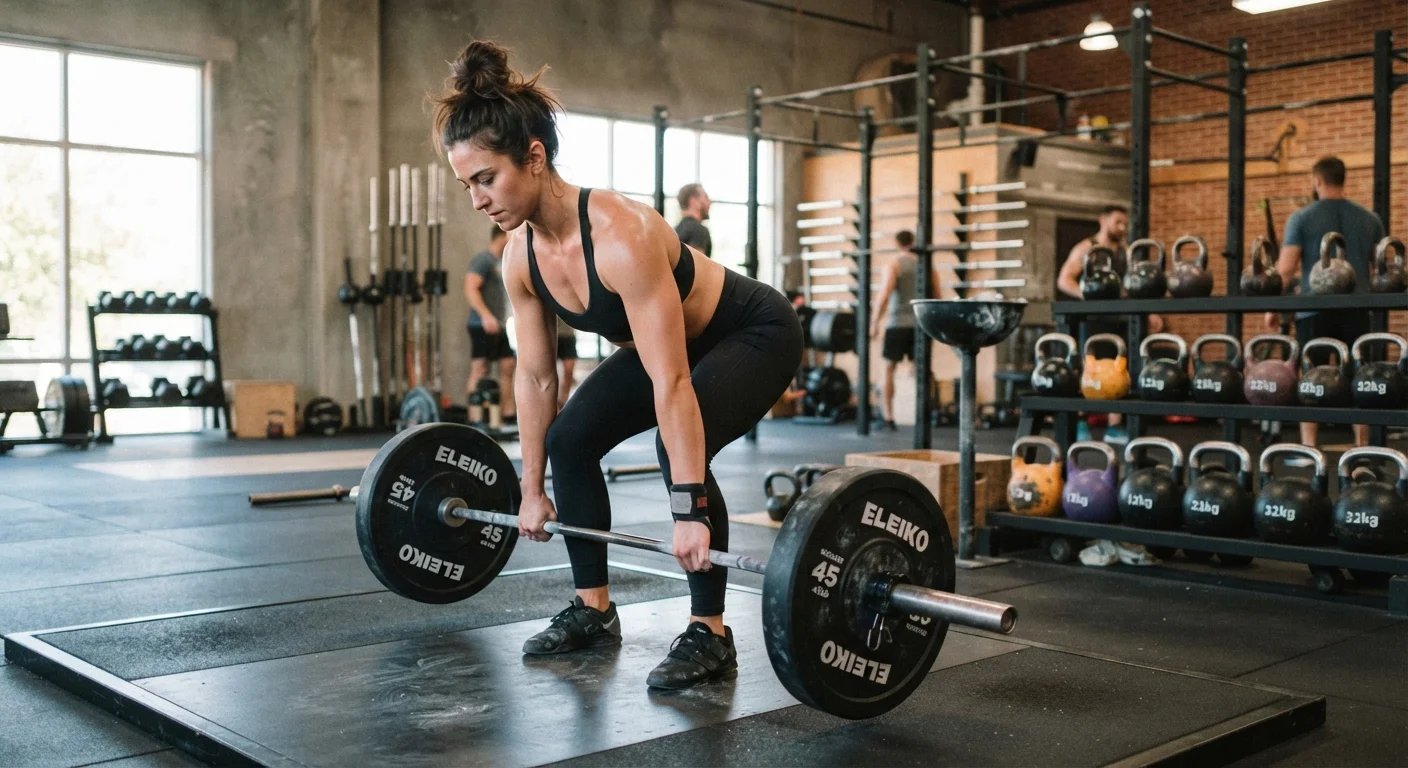
The hip hinge is the foundation of movements like deadlifts, Romanian deadlifts, and kettlebell swings. It trains the posterior chain - glutes, hamstrings, and lower back - and is one of the most functional patterns for real-world tasks like picking objects up safely.
4. Squat
Squats (and their variations - goblet squat, split squat, leg press) train the quads, glutes, and core in a knee-dominant pattern. The squat and hinge complement each other: most programs benefit from both, not one instead of the other.
5. Carry
Carries - walking while holding weight, such as in a farmer's carry or suitcase carry - develop grip strength, core stability, and whole-body coordination. They're often overlooked but reflect real-life demands more closely than almost any other movement.
6. Core / Rotational Stability
This category includes anti-rotation work (like pallof presses), planks, and rotational movements. A stable core improves performance across every other pattern and is central to injury prevention. Good form across all six patterns depends on this foundation - which is why form habits deserve serious attention.
Putting the Patterns Into a Weekly Routine
You don't need to train all six patterns in a single session. A practical approach is to ensure each pattern appears at least once - and ideally twice - across the week. A simple two- or three-day full-body program can accomplish this by selecting one or two exercises per category per session.
For example, a session might pair a squat variation with a horizontal pull and a carry. The next session might feature a hip hinge, an overhead push, and a core stability drill. This kind of rotation keeps workouts varied while guaranteeing complete coverage. For help structuring this into real-world weeks, see our practical scheduling framework.
When life disrupts a routine - travel, illness, schedule changes - the movement pattern lens makes it easier to adapt without losing progress entirely. Staying active through disruptions is more achievable when you know which patterns to prioritize.
This article is for general informational purposes only and is not a substitute for personalized guidance from a qualified fitness or healthcare professional. Individuals with existing injuries or medical conditions should consult a professional before starting a new exercise program.